What is a Bergamasco?
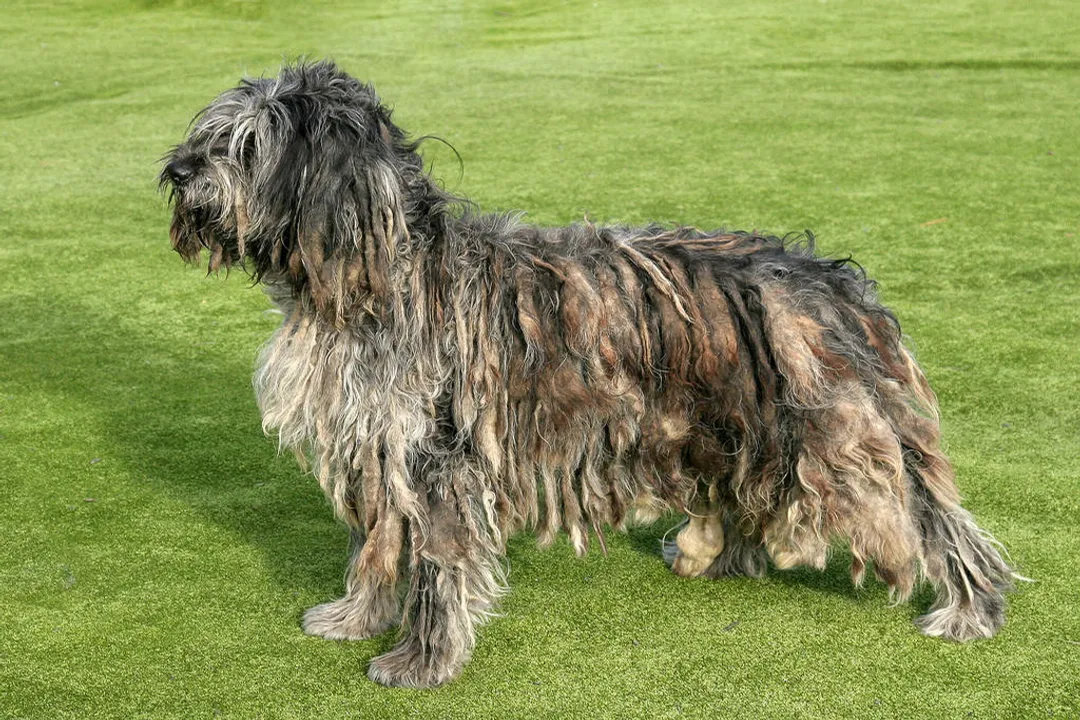
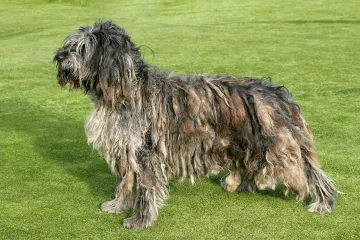
The Bergamasco Shepherd, often simply called the Bergamasco, is a truly distinctive Italian breed known primarily for its remarkable, heavily matted coat that resembles felted wool or long, flat mop heads. [1][2][5][7] Originating in the Italian Alps near the city of Bergamo, this breed was historically tasked with the demanding job of herding sheep across rugged terrain. [1][9] They are not a dog that seeks attention merely to please; rather, they are bred to think independently while remaining intensely devoted to their flock—or, in modern terms, their family. [4][8] Recognized by major kennel clubs, including the American Kennel Club (AKC) where they compete in the Herding Group, the Bergamasco maintains a reputation as a bright, loyal, and trainable companion, provided their specific needs are met. [2][5][10]
# Italian Roots
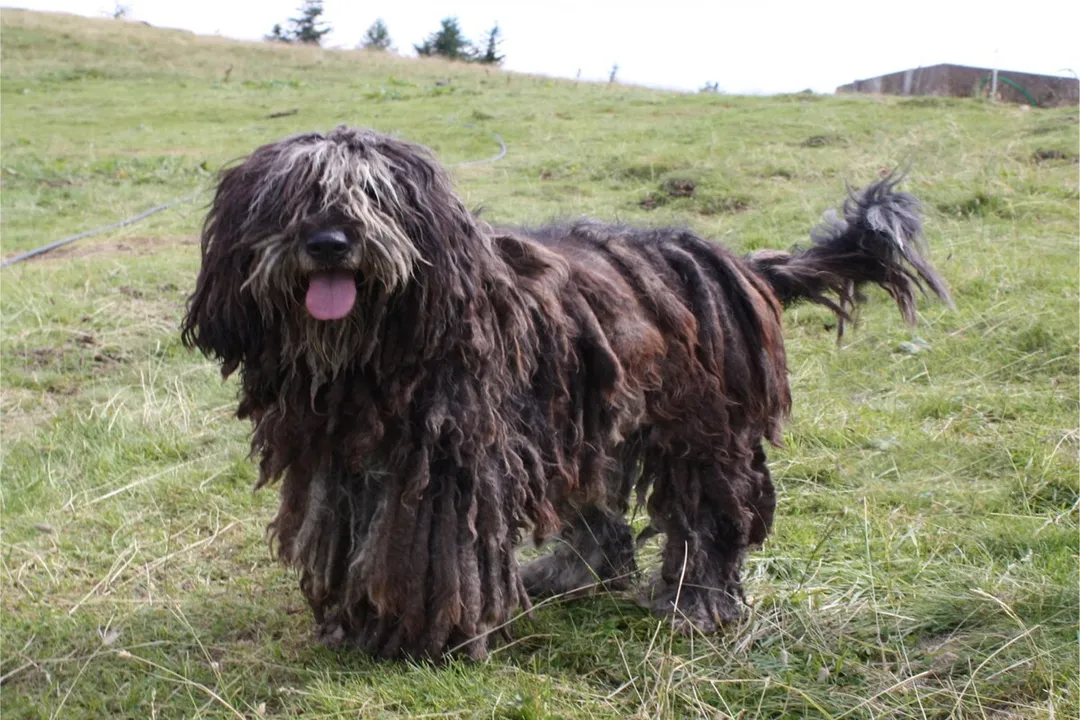
The history of the Bergamasco is intertwined with the pastoral life of Northern Italy. [1][9] This breed developed over centuries in the alpine regions surrounding Bergamo, functioning as a guardian and driver of sheep flocks. [1][5] Their intelligence and hardiness were essential for navigating the harsh mountain weather and protecting the livestock from predators. [9] While their exact lineage is somewhat obscured by time, they share ancestry with other large, guarding sheepdogs found throughout the region. [1] The breed remained relatively obscure outside of Italy until relatively recently, preserving its original working characteristics. [1][8] The American Kennel Club officially recognized the breed in 2015, marking a significant step in bringing this unique European shepherd to the global stage. [2]
# Unique Coat
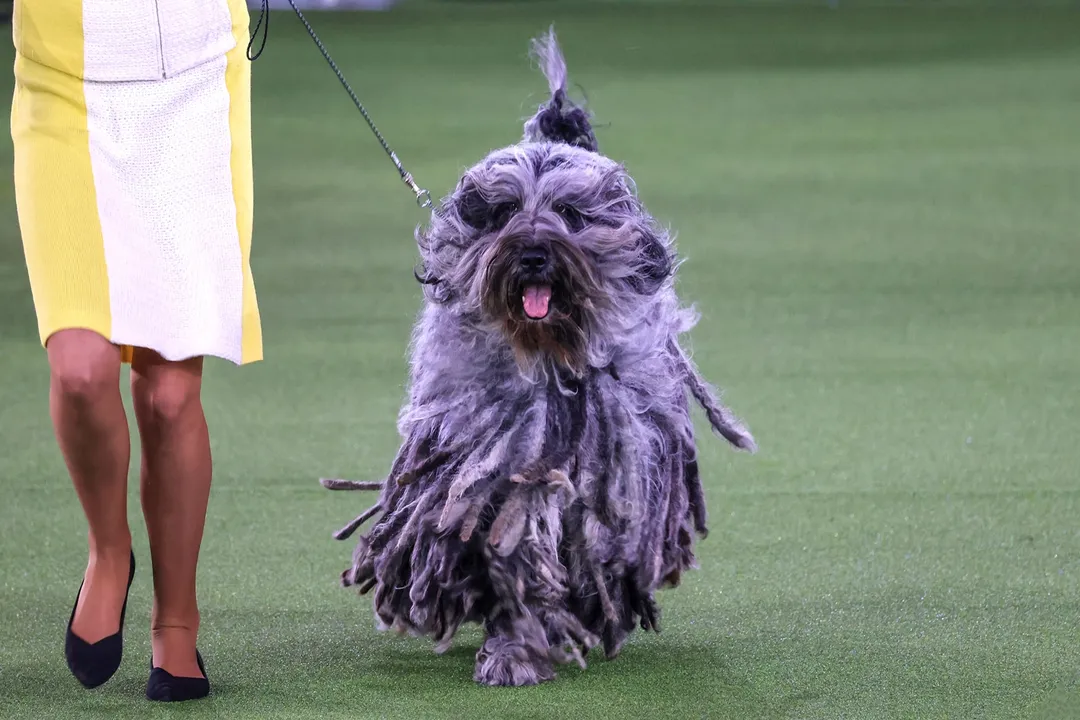
The most striking feature of the Bergamasco is its coat, which is the defining characteristic of the breed. [2][7] This dense, corded hair is not typical fur but rather a collection of fine, soft undercoat hairs interwoven with coarser outer guard hairs, forming distinctive flat, felt-like mats or "flocks". [1][5][7] These locks develop naturally as the dog matures, typically starting when they are puppies around six months old, with the full flocking effect taking several years to establish. [1][7] The texture is soft and feels somewhat like felt or fine goat hair, rather than the harsh texture one might associate with a common mop. [1][7] Functionally, this natural insulation was life-saving, protecting the dog from extreme cold, snow, and rough brush during their years tending flocks high in the mountains. [1] Considering this evolutionary design, it is worth noting that while the coat insulates incredibly well against cold, owners in very warm or humid climates must be diligent about ensuring adequate airflow and regular inspection beneath the dense flocks to prevent matting beyond the natural structure or overheating during intense summer activity. [1]

# Grooming Needs
Caring for the Bergamasco coat is a specialized commitment that sets it apart from many other breeds. [7] Unlike many double-coated dogs that require frequent brushing to prevent mats, the Bergamasco’s coat is meant to mat. [1][7] The goal is not to brush out the mats but to carefully separate and guide the formation of the flocks. [1] This process requires patience and often a hands-on approach from a young age to ensure the mats form properly and remain clean. [7] Owners must gently separate the developing flocks with their fingers, allowing air to circulate and debris to fall out naturally. [7] A full bath is infrequent, perhaps only once or twice a year, because the drying process can be extremely lengthy and needs to be thorough to prevent skin issues beneath the dense covering. [1][7] Many owners find that keeping the coat trimmed slightly shorter around the feet, tail, and private areas helps manage hygiene without disturbing the main body flocking. [7] This coat management is less about the time spent brushing and more about the dedicated, tactile inspection required to maintain the health of the skin underneath this natural armor. [7]
# Loyal Guardian
In terms of temperament, the Bergamasco is deeply attached to its immediate family unit, exhibiting strong protective instincts inherited from its guarding background. [4][8] They are described as intelligent, alert, and generally calm when settled in their home environment. [4][2] While they are loving and devoted to their people, they often maintain a reserved or watchful demeanor around strangers. [4][5] Early and consistent socialization is therefore paramount; exposure to different people, environments, and sounds starting from puppyhood helps ensure they develop into well-adjusted adults who understand the difference between a casual visitor and a genuine threat. [5] They are not typically considered a highly demanding breed in terms of constant attention seeking, but they thrive on being part of the family’s daily activities. [8] Their intelligence means they are trainable, but their independent heritage means they respond best to methods based on trust and mutual respect rather than harsh correction. [4]
# Training Approach
The Bergamasco’s mental makeup combines sharp thinking with that inherited independence necessary for independent decision-making while herding. [8] This means training must focus heavily on consistency and clear, positive reinforcement. [4] They learn quickly, but they may also question commands if they do not see the immediate logic behind the request, which can sometimes be misinterpreted as stubbornness. [8] A prospective owner needs to understand that training a Bergamasco is often a process of negotiating partnership rather than issuing unwavering decrees. If they are not mentally stimulated with tasks or problem-solving exercises, their intelligence can lead them to devise their own—often mischievous—ways to pass the time. [4] Activities that mimic their historical purpose, such as advanced obedience, herding clinics, or scent work, can provide excellent outlets for their natural drives. [2]
# Health Summary
Like many purebred dogs, the Bergamasco has certain health considerations owners should be aware of, though they are generally considered a hardy breed overall. [8] Generally, their lifespan is estimated to be in the range of 12 to 15 years. [8] Breeders dedicated to the breed strive to screen for common issues that can affect large, ancient lines, ensuring the continued health of the population. [8] Responsible ownership always involves regular veterinary check-ups and maintaining a proper weight to safeguard their joints, especially given their substantial build. [8]
# Modern Placement
Today, the Bergamasco has transitioned from the high pastures of the Italian Alps to being a companion animal and show dog in many parts of the world. [2][5][9] They make excellent family dogs for active households that can provide consistent leadership, early socialization, and appropriate mental work. [4] They tend to do quite well in performance sports due to their brains and physical aptitude. [2] When considering adding a Bergamasco to the home, potential owners must evaluate their lifestyle honestly: can they commit to the unique coat care and provide the patient, consistent training this intelligent, protective shepherd requires? For the right family, the Bergamasco offers unmatched loyalty wrapped in one of the most unique natural coats in the canine world. [4][8]
Related Questions
#Citations
Bergamasco Shepherd - Wikipedia
Bergamasco Sheepdog Dog Breed Information
Bergamasco Sheepdogs are bright, loyal, loving, and trainable with ...
Bergamasco Dogs - Breeds - Omlet
Bergamasco Sheepdog - The Westminster Kennel Club
Overview - Bergamasco Sheepdog Club of America
Bergamasco Dog Breed Information | Purina UK
About The Breed - Spellbound Bergamascos
The Bergamasco, an Italian sheep herding dog, takes approximately ...
Breed Standards : Bergamasco | United Kennel Club (UKC)