What are the disadvantages of beefalo?
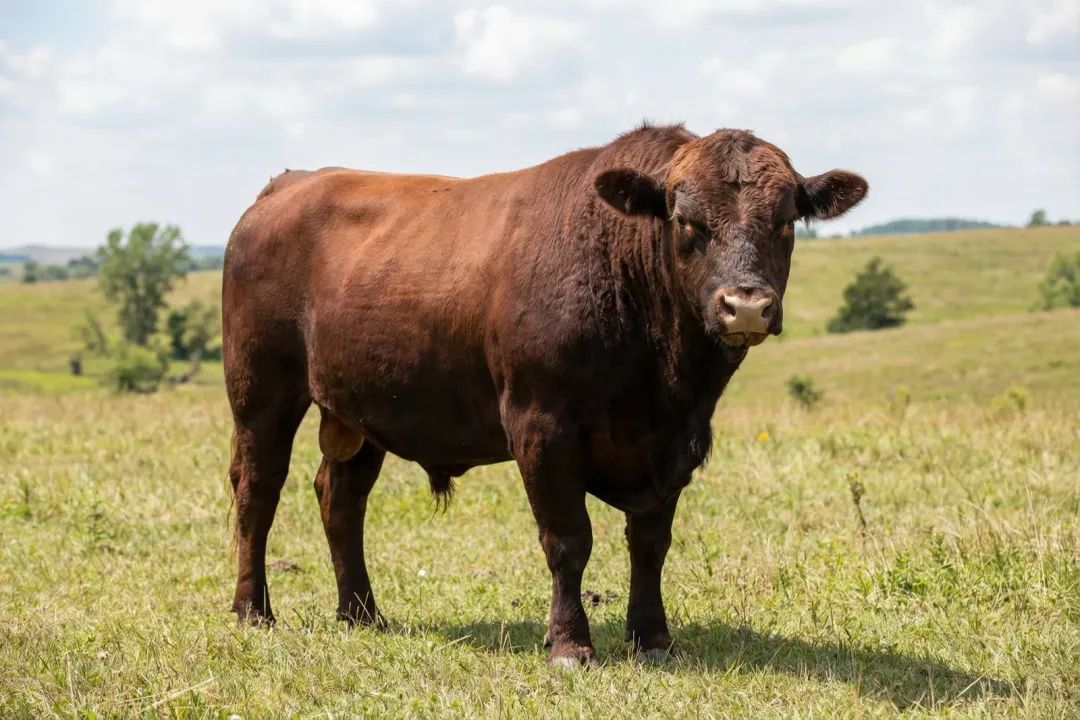
The concept of the beefalo—a hybrid created by crossbreeding American bison with domestic cattle—has long captured the imagination of ranchers and agricultural enthusiasts. The goal was to combine the best of two worlds: the legendary hardiness, disease resistance, and lean meat of the bison with the docile temperament and faster growth rates of domestic cattle. [7][8] However, the reality of maintaining these hybrids has proven far more complex than the theory. While they do offer unique biological traits, the agricultural, economic, and ethical drawbacks have kept them from becoming a standard replacement for traditional beef cattle. [5]
# Genetic Obstacles
One of the primary difficulties in establishing a viable beefalo herd involves the biological mechanics of crossbreeding. Early attempts to create these hybrids, historically referred to as "cattalo," faced significant issues regarding fertility. [7] In many cases, early-generation hybrid males are often sterile, which creates a logistical nightmare for a rancher looking to build a self-sustaining herd. [7]
To maintain a breeding population, producers must carefully manage the genetic percentage of bison and cattle bloodlines. If the bison percentage is too high, the animals often retain too many wild instincts, making them difficult to manage. If the cattle percentage is too high, the animals lose the very hardiness and meat characteristics that made the crossbreeding desirable in the first place. [8] This requires a level of breeding precision that is far more demanding than standard cattle ranching, where breed standards are well-established and predictable.
# Behavioral Challenges
While domestic cattle have been bred for thousands of years to be docile and easily handled, bison are wild animals with strong flight-or-fight responses. When you introduce bison genetics into a cattle herd, you are not just changing the animal's physical appearance; you are altering its temperament. [8]
Beefalo can exhibit unpredictable behaviors that differ significantly from standard livestock. They may become aggressive, particularly during breeding or calving seasons, and are generally more flighty when approached by humans or vehicles. [8] For ranchers accustomed to standard handling procedures, beefalo can pose genuine safety risks. Working with these animals often requires different equipment and handling techniques, which can increase labor costs and stress levels for both the livestock and the operators.
# Infrastructure Needs
A significant, often overlooked disadvantage of raising beefalo is the cost of containment. Standard cattle fencing is designed for animals that are relatively easy to keep enclosed. Bison, and by extension many beefalo hybrids, are notorious for their ability to challenge fences. [8]
These animals are more athletic and determined than the average cow. They can jump higher, push harder, and are less likely to respect the standard barbed-wire or electric fences found on most farms. Ranchers often have to invest in significantly stronger, higher, and more expensive fencing to keep their herd contained. This capital investment creates a barrier to entry for many producers who might otherwise consider trying the breed. [8] The cost-to-benefit ratio shifts heavily when you factor in the necessary upgrades to pasture infrastructure.
# Market Constraints
The agricultural market relies heavily on consistency. From the cow-calf operation to the feedlot and eventually the packer, the beef industry is built on standard weights, marbling scores, and carcass yield percentages. Beefalo struggle to find a foothold here because they lack the predictable uniformity that processors and large-scale retailers require. [5]
Because of the variation in genetic makeup, a beefalo herd may produce carcasses that differ significantly in size, fat content, and meat texture. [8] A restaurant or grocery chain looking for a reliable product wants to know that every cut of steak will perform the same way on the grill. With beefalo, this consistency is hard to guarantee. Consequently, they are often relegated to niche, direct-to-consumer markets where the rancher must handle the marketing, processing, and distribution personally, rather than selling into the streamlined commercial supply chain. [5]
| Feature | Domestic Cattle | American Bison | Beefalo Hybrid |
|---|---|---|---|
| Temperament | Generally docile | Wild/Flighty | Unpredictable |
| Fencing Needs | Standard | High/Reinforced | High/Reinforced |
| Fertility | High | High | Variable (Male sterility risk) |
| Market | Standardized | Niche | Niche |
| Maintenance | Low/Moderate | High | High |
# Conservation Concerns
Beyond the farm gate, there is a scientific debate regarding the impact of beefalo on bison conservation. Because American bison were driven to near extinction, the remaining wild herds are genetically precious. [2][6] Conservationists and biologists often express concern about "genetic introgression," where the genes of domestic cattle enter the wild bison population through accidental breeding with escaped beefalo. [2]
This hybridization can dilute the distinct genetic identity of the wild bison. [6] For those focused on restoring the bison to their natural, ancestral state, beefalo represent a contamination risk rather than a solution. This makes the breeding of beefalo a point of contention in the agricultural community, particularly in regions where they are raised in proximity to bison conservation areas. [1]
# Operational Realities
Ranching is an industry of thin margins. When you choose a breed, you are choosing a system of production. Choosing beefalo means accepting that you cannot use the standard infrastructure, marketing channels, or genetic management practices that the rest of the industry uses.
For many, the "added value" of the meat does not compensate for the cumulative disadvantages. The extra cost of specialized fencing, the time spent managing more difficult animal temperaments, and the effort required to educate consumers about a non-standard product create a high barrier to profitability. While the novelty of the animal is undeniable, the operational hurdles are significant enough that most ranchers choose to stick with established beef breeds that have centuries of selective breeding focused on predictability, ease of handling, and consistent market demand. [8]
In the context of modern farming, where efficiency and volume often dictate sustainability, the beefalo remains an interesting experiment that highlights the unique traits of the bison but demonstrates why, in the world of large-scale agriculture, nature’s original blueprints are often difficult to improve upon. The hybrid’s existence is a testament to human curiosity, but its lack of ubiquity is a testament to the harsh realities of the agricultural marketplace and the stubborn complexity of biology.
Related Questions
#Citations
No To Beefalo - Wild Idea Buffalo Company
How do you solve a problem like the 'Beefalo'? - BBC News
What is wrong with the Beefalo? - Facebook
Say No to Beefalo: Protecting American Bison Genetics | TikTok
Why isn't beefalo meat more common? - Quora
Most Beefalo cattle have no detectable bison genetic ancestry - eLife
Bison Hybrids, Cattalo, and Beefalo
Why not try BEEFALO? - AgWeb
Asking for some clarifications on early beefalo taming - Reddit