tail articles - Page: 2
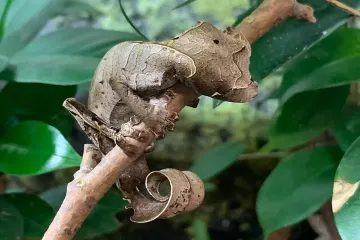
What natural object does the Satanic Leaf-Tailed Gecko primarily mimic with its camouflage?
How are Satanic Leaf-Tailed Geckos generally described regarding interaction with keepers?
Which dimension should be prioritized when designing an enclosure for this arboreal species?
What is the stringent humidity range typically required for *Uroplatus phantasticus*?
What does the term "gut-loaded" mean concerning the feeder insects provided to the gecko?
Respiratory infections (RIs) commonly develop in these geckos due to improper management of which two correlated factors?
What visible feature does this gecko expose during its dramatic threat display?
What is the typical recommended daytime ambient temperature range for *Uroplatus phantasticus*?
What is a key danger associated with the purchase of wild-caught Satanic Leaf-Tailed Geckos?
What type of substrate components are commonly recommended to help maintain moisture in the enclosure?
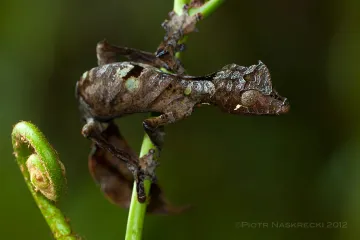
What is the primary survival strategy of the Satanic leaf-tailed gecko?
What visual component is displayed during the gecko's threat posture?
How is a bite from a *Uroplatus phantasticus* generally described by keepers?
What activity significantly increases the likelihood of observing a defensive bite response from the gecko?
What dictates successful husbandry for Satanic leaf-tailed geckos, unlike some other geckos?
When are *Uroplatus phantasticus* naturally most active?
What does the appearance of red in the gecko's mouth usually indicate to an observer?
What is the comparison used to describe the biting tendencies of these geckos relative to other lizards?
Why is physical interaction generally discouraged for *Uroplatus phantasticus*?
What energy expenditure does the threat display require, suggesting biting is a final option?
Providing appropriate temperature gradients between what range helps keep these geckos healthy and less susceptible to stress?
PreviousPage 2 of 2