Russian Blue articles - Page: 2
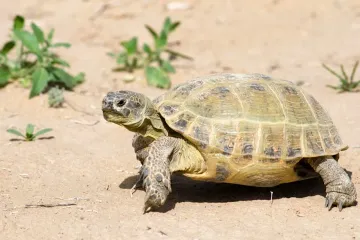
What is the suggested minimum floor space for a single adult Russian tortoise indoors?
What is the recommended temperature range for the primary basking area?
Which nutritional mandate is critical for the long-term well-being of Russian tortoises?
Why is UVB radiation essential for a Russian tortoise?
Which type of enclosure is generally preferred over glass tanks for indoor Russian tortoises?
What is the safest recommendation regarding the social housing of Russian tortoises?
Which of the following is considered a recommended staple food item for the daily menu?
What risk is associated with feeding too many fruits or soft leafy greens like iceberg lettuce?
What is the appropriate temperature range for the cooler retreat area in a Russian tortoise habitat?
How often should a UVB bulb typically be replaced, even if it still produces visible light?
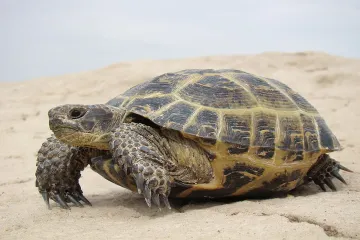
What factors primarily dictate the required soaking frequency for a Russian tortoise?
What soaking frequency is generally recommended for hatchlings and very young juveniles?
If a healthy adult Russian tortoise maintains a moisture-rich diet and has access to a usable water dish, how often might soaking be necessary?
Through which opening do tortoises absorb a significant quantity of water during a soak?
What is the primary rationale for the daily or every-other-day soaking schedule for tortoises under 3 years old?
Which environmental condition necessitates supplementing with more regular manual soaks?
What is the suggested temperature for water used during a routine soak?
What is the generally accepted duration for an effective tortoise soak?
What visual indicator suggests a Russian tortoise is adequately hydrated regarding its waste product?
What soaking schedule is advised for a tortoise immediately after it has been acquired?
For smaller animals, how deep should the soaking water be relative to the body?
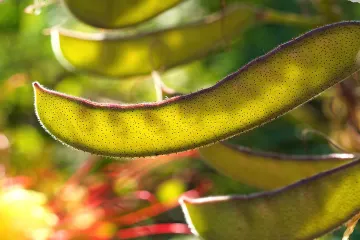
Which plant genus, commonly known as Buttercup, is frequently cited as something keepers should root out entirely from grazing areas?
What is the primary digestive danger associated with feeding fruits frequently to Russian tortoises?
Which specific foliage is highly dangerous due to compounds that can severely affect a tortoise's kidney function?
What is the crucial action required immediately if poisoning is suspected after a tortoise browses an unknown area?
Why must newly purchased plants be quarantined for several weeks before being introduced to the enclosure?
What is the 'When in Doubt' Principle emphasized for experienced keepers regarding environmental checks?
Which category of food items must be strictly avoided because they contain components like salt, refined sugars, or dairy?
What specific risk is associated with salt when ingested by tortoises?
What is the general advice regarding allowing tortoises access to mushrooms in their enclosure?
Why must owners be vigilant about common garden plants like Foxglove and Daffodils?
What dictates the primary focus of a healthy Russian tortoise diet, mimicking their natural environment?
PreviousPage 2 of 2