How smart is a jackal?
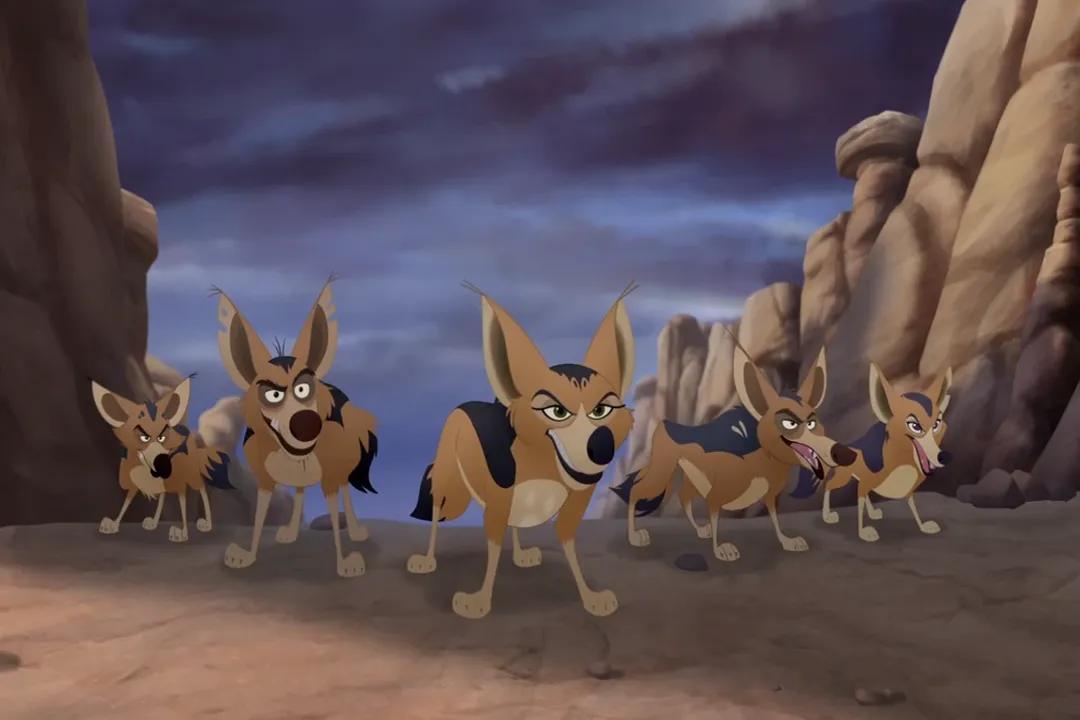
The reputation of the jackal often precedes it in the wild, frequently characterized by folklore as a figure of cunning and trickery within the African savanna and beyond. While they may not top the lists usually reserved for great apes or corvids when discussing raw IQ scores, assessing their intelligence requires looking at what they need to be smart about—survival in incredibly varied and competitive environments. [1] Jackals are masters of reading the landscape, understanding seasonal shifts, and exploiting opportunities that larger, more specialized predators miss. [7]
# Survival Skills
The jackal's primary cognitive strength lies in its unparalleled adaptability and resourcefulness, traits that have allowed several species to thrive across diverse habitats, from arid deserts to savannas. [1] Their ability to shift diets drastically is a key indicator of cognitive flexibility. They are highly effective scavengers, often shadowing larger predators like lions or hyenas to feed on the remnants of a kill. [1] This strategy requires keen observational skills, assessing the risk versus reward of approaching a dangerous feeding site, and knowing when to strike. They are proficient at this opportunistic scavenging. [4]
A crucial element of their success is opportunistic behavior, meaning they capitalize on whatever is available at the moment. [7] This demands quick processing of environmental cues—a sound, a scent, or the movement of a potential meal or threat. While a wolf might rely on complex pack coordination for a long, strategic hunt, the jackal often relies on split-second assessment to dart in and secure a scrap or snatch a small rodent uncovered by another animal. This necessity for rapid, low-stakes decision-making under constant pressure showcases a different, but equally valid, form of intelligence than that required for intricate social cooperation. [1]
# Cunning Image
The term "cunning" frequently applied to jackals is deeply embedded in human cultural narratives, often casting them as the archetypal trickster. [5] In nature, this perception translates to being a quick thinker and a successful generalist. [7] Their reputation for being clever isn't necessarily tied to complex tool use, but rather to their social intelligence and their ability to navigate complex predator-prey dynamics. For instance, recognizing when a larger animal has finished feeding, or knowing which small den site offers the best protection from avian scavengers, are critical pieces of knowledge they must retain and apply. [1]
It is interesting to observe how this reputation is contextualized. In some informal assessments among those who work with captive animals, for example, jackals might not always rank highly compared to species known for advanced cognitive puzzles. [6] However, this comparison often misses the mark. A jackal’s 'smartness' is less about solving a constructed puzzle box in an enclosure and more about the constant, real-time puzzle of survival in the wild, where a wrong turn or a moment’s hesitation can be fatal. [1][7] If we could translate their wild successes into an intelligence metric, their adaptability score would likely be near the top of the canid family.
# Behavioral Nuances
Different jackal species exhibit slightly different social structures, which influences the cognitive demands placed upon them. The Black-backed Jackal, commonly found in East Africa, for example, often forms monogamous pairs that defend territories. [9] This pair-bonding suggests a level of social recognition, communication, and cooperative defense that goes beyond solitary existence. Successful territorial defense requires understanding boundaries, recognizing rivals, and communicating threats or discoveries to a partner. [9]
While detailed studies on their cognitive architecture are sparse in general knowledge sources, their success as a family of canids—present across Africa and Asia—points toward a highly successful cognitive blueprint. They are adept at learning from both success and failure in foraging attempts, a basic but fundamental aspect of intelligence. [4] If a particular method of scavenging near a lion pride proves too risky over several days, the successful jackal will be the one that quickly adjusts its approach or timing for the next encounter.
# Intelligence Comparisons
When people discuss animal intelligence, comparisons are inevitable, often pitting one species against another across different environments. In discussions among zoology enthusiasts, the hierarchy often places wolves and domestic dogs higher, reflecting their extensive social structures or their long history of co-evolution with humans. [3] Some zoo professionals, when ranking animals based on observable behavior in captivity, might place jackals lower than highly interactive primates or corvids. [6]
However, framing the jackal’s intelligence relative to a wolf is like comparing a master sailor to a master mountaineer; both demonstrate exceptional cognitive ability suited to their respective domains. The wolf excels in complex, large-scale cooperative hunting and hierarchical maintenance within a stable pack unit. [3] The jackal excels in being the ultimate generalist, capable of filling ecological niches that other canids cannot sustain, often thriving in human-adjacent environments where flexibility trumps specialization. [1] Their cognitive map must be fluid, capable of incorporating urban refuse one day and small gazelle calves the next, which requires a cognitive plasticity distinct from highly specialized hunters. [4]
The key takeaway is that the jackal demonstrates an intelligence perfectly calibrated for its ecological requirements. They possess the necessary quick thinking and sharp observational skills to thrive as opportunistic survivors. [7] Their ability to read the subtle cues of the savanna and exploit fleeting chances—whether it is a dropped morsel or a small burrow vacated by prey—confirms their status as highly intelligent animals, even if their specific brand of smarts centers on adaptability over abstract reasoning. [1]
Related Questions
#Citations
Jackals: survival of the smartest in the wild - Flow.travel
Jackals are skilled and cunning hunters - Facebook
Is there an agreement on what's the smartest of the canis/canine ...
Jackal Facts For Kids | AstroSafe Search - DIY.org
How intelligent are jackals? Black-backed jackals are ... - Instagram
Rank the Inteligence (IQ) of Groups of Zoo Animals from What You ...
Jackal Physiology | Superpower Wiki - Fandom
5 Fascinating Facts About the Black-Backed Jackal