Do Koolies have dingoes in them?
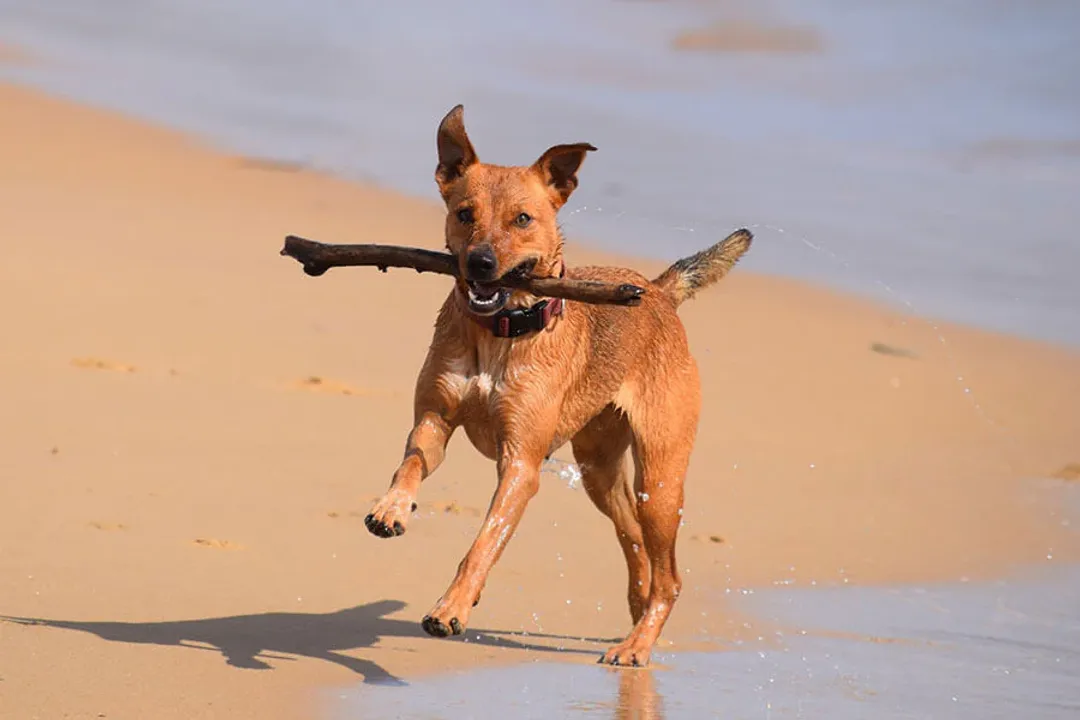
The Australian Koolie is an instantly recognizable fixture of the nation's working landscape, an agile and intelligent herding dog whose history is deeply intertwined with the development of the country's pastoral industries. When discussing the genetics of native Australian dogs, particularly those developed in remote settings, the question of influence from the dingo—Australia's ancient wild canid—inevitably arises. Determining the presence or absence of dingo lineage in a breed like the Koolie requires looking closely at its documented background versus the known genetic profile of related working dogs.
# Collie Ancestry

The foundation of the Koolie breed is quite clearly established through historical accounts of early European settlement in Australia. These dogs were predominantly collie-type dogs brought over by settlers specifically for their aptitude in mustering sheep and cattle. Over many decades, these imported dogs were refined and selectively bred to thrive in the often harsh and varied Australian terrain and climate. They were valued not just for their instinct but for their intelligence and trainability, making them excellent partners for stock handlers.
Koolies today are recognized for their energy, agility, and strong desire to work. They are medium-sized, robust dogs known for their versatility across different types of stock and environments. This developmental path, rooted firmly in established European herding lines, suggests a different genetic trajectory than breeds that might have naturally integrated with the local dingo population through feral breeding.
# Dingo Genetic Context
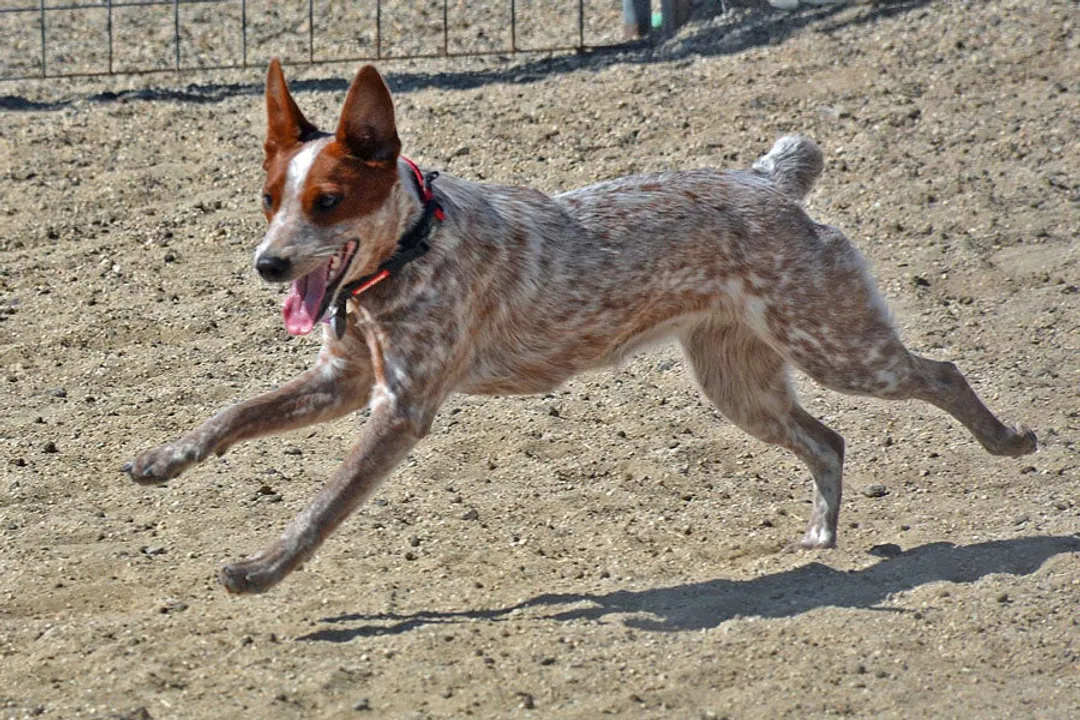
The topic of dingo genetics in Australian working breeds is not new, and studies have provided some markers for similar dogs. For example, recent genetic investigations into the Australian Kelpie, another prominent herding breed developed around the same time and for similar purposes, have yielded definitive results regarding dingo admixture. A key finding from this research indicated that, despite their long history on the continent, Kelpies showed no detectable dingo DNA.
This finding regarding the Kelpie is significant when considering the Koolie. Both breeds evolved from similar stock—herding dogs imported from Britain—and were subjected to similar selection pressures in the Australian outback. While the Koolie might have a slightly less standardized history than the Kelpie in some aspects, their core heritage lies in those same colonial working lines. The very structure of their development centered on maintaining the traits of the collie/sheepdog rather than introducing genetic variability from the wild dingo population.
When we compare the Koolie to the Australian Cattle Dog, another breed known for its hardiness, the differences in development are often subtle, relating more to the specific type of ranching or the preferred working style of the breeder, rather than a foundational difference in imported lineage versus native admixture. The emphasis across these distinct Australian breeds seems to remain on the imported European herding dog template.
# Introgression Likelihood

Given the known history, the likelihood of significant dingo introgression in the Koolie population, similar to the general domestic dog population which often shows some percentage of dingo DNA in rural areas, would depend on documented breeding practices. If a Koolie breeder was intentionally cross-breeding with wild or semi-tame canids for traits like hardiness, one might expect to see evidence. However, the breed standards and documented history emphasize traits derived from the collie stock: high intelligence, agility, and an intense focus on herding.
It is interesting to note that for breeders seeking the hardest workers for the most unforgiving environments, there was always a temptation to use any available dog that exhibited exceptional drive. If an early Koolie ancestor was a particularly successful cross between an imported sheepdog and a local dingo—perhaps for increased resilience—that lineage could technically exist within the breed pool today, even if the overall breed profile remains firmly collie-based. This highlights a reality of early working dog development: documentation was often secondary to performance.
If we consider the ancestral split between the domestic dog and the dingo occurring thousands of years ago, the dingo represents a truly ancient, distinct canine population in Australia. For a breed established only within the last couple of centuries from imported dogs, the presence of dingo genetics would indicate very recent, likely unintentional, crossing, or intentional cross-breeding that was later bred out as the specific "Koolie" traits were solidified. The parallel with the Kelpie study, showing zero detectable dingo DNA in that lineage, suggests that meticulous breeding to maintain pure working dog lines was successful across related breeds.
# Recording Lineage

For current Koolie owners or those interested in the breed's genetic purity, understanding the documentation is key, especially since the breed's recognition history can differ from more formally established breeds. While breed registry standards are becoming stricter, the history of the Koolie often means that ancestry records might be less complete than in highly regulated kennel clubs. If an owner is specifically concerned about dingo heritage, the best approach is to seek out dogs registered with registries that track and prioritize the historical working lines traceable back to the original collie introductions, rather than relying on generalized assumptions about outback-developed dogs.
This situation presents a point for potential owners: understanding what is known about the breed’s foundation is critical. Because the Koolie excels due to its herding intelligence and energy, any genetic input that diluted those specific collie-derived traits—like a dingo cross might—would likely have been selected against by successful stockmen over generations, unless the cross provided a distinct, desired advantage in a very specific niche that was then preserved. In the absence of specific genetic testing data for the Koolie population mirroring the Kelpie study, one must rely on the documented history of introduction from colonial-era sheepdogs.
Ultimately, while the question is valid given the Australian context, the established narrative for the Koolie points toward a pure development from imported herding stock. This contrasts sharply with the dingo, which represents a separate, much older evolutionary path on the continent. The available evidence, primarily through analogy with the Kelpie, suggests the breed maintains its European working dog heritage without significant dingo admixture in its accepted lines.
Related Questions
#Citations
Australian Koolie - Dog breed genetic test - Koko Genetics
Koolie | Dog Breed Facts and Information - Wag! Dog Walking
The Koolie is an Australian working or herding dog breed which has ...
Koolie Dog Breed Information and Pictures - PetGuide
Australian Koolie Working Dog Breed History and Facts
Biggest difference between a Koolie and Cattle Dog? - Reddit
10 Unique Australian Dog Breeds: History, Health & Care Guide
Kelpie DNA study unravels mysterious origins of Australian working ...