Do Komondors naturally dread?
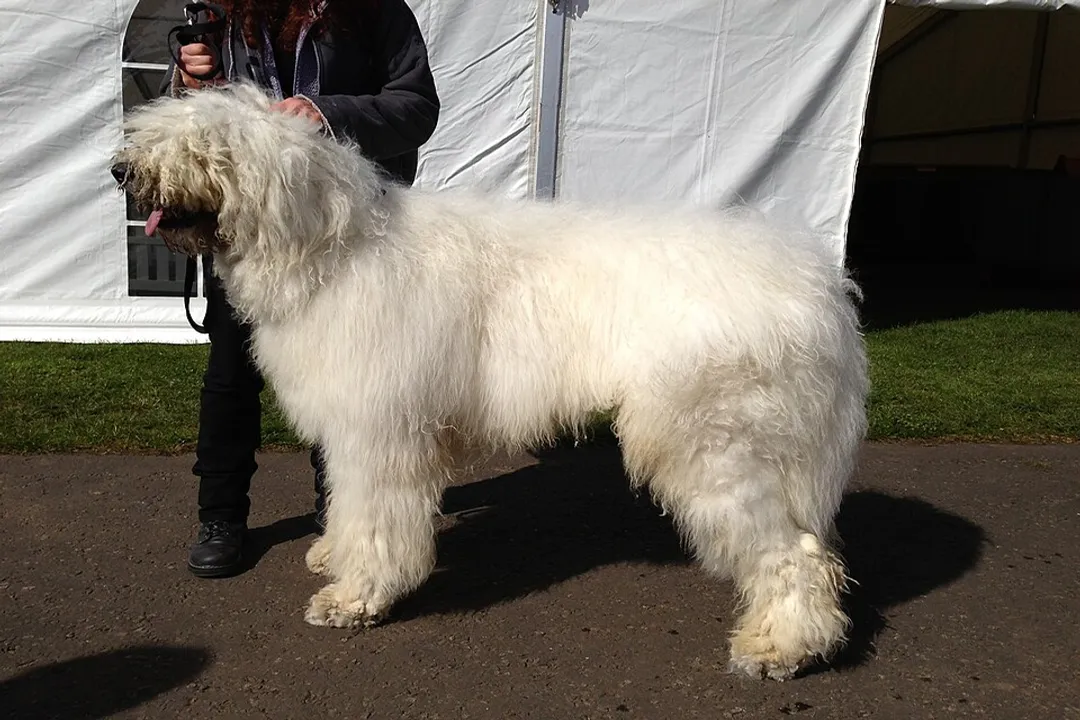
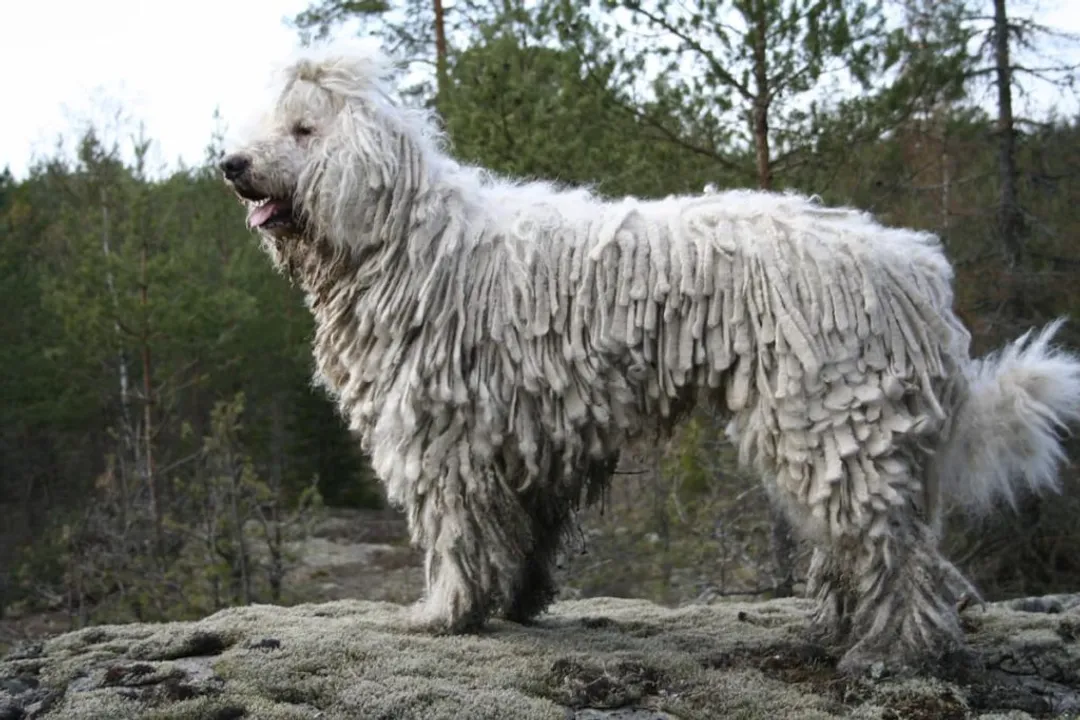
The distinctive, mop-like coat of the Komondor is one of the breed's most immediately recognizable features, often leading observers to use the term "dreadlocks" to describe the thick, heavy cords that characterize their adult appearance. [1][4][7] This striking natural arrangement is not merely cosmetic; it is deeply intertwined with the breed's historical function and unique physiology. [2][5] The appearance of these cords is entirely natural, resulting from the specific texture of the coat growing in a way that causes it to self-clump and twist as the dog matures. [5][7]
# Natural Cords
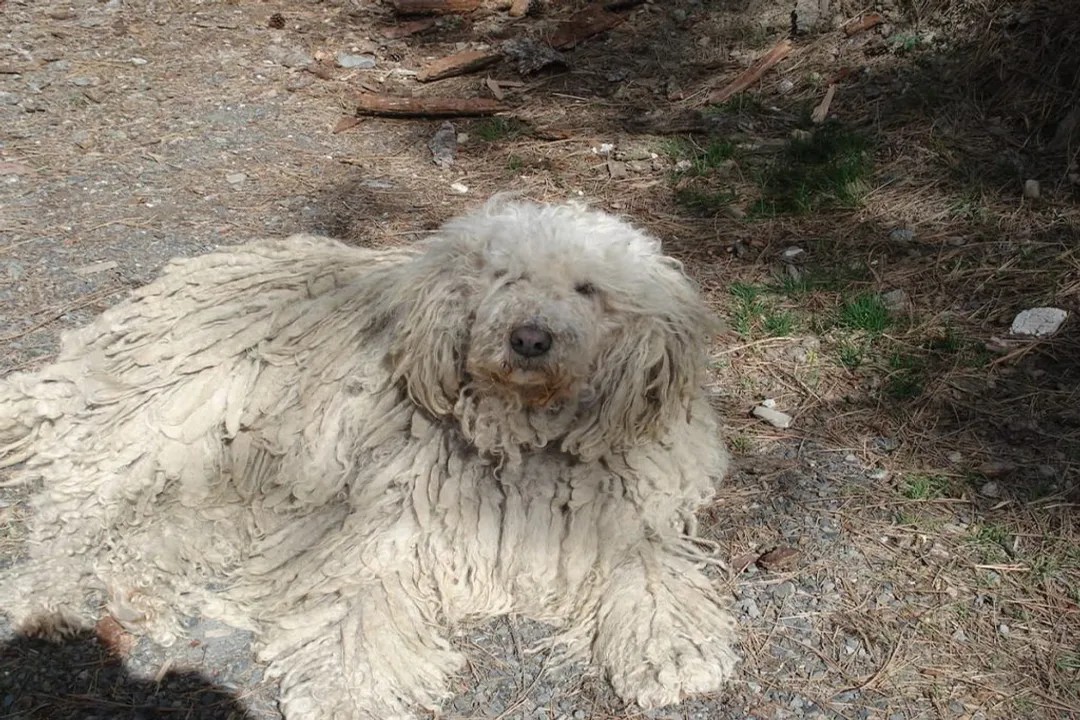
The cords of the Komondor are what set the breed apart visually. These mats or felted strands can be quite long and heavy, sometimes reaching the ground on a fully mature dog. [2] The coat itself is composed of a soft, woolly undercoat and a coarser outer coat. [2] When these two coat types mature, they naturally interlock. [5] It is the combination of density and texture that facilitates this self-matting process, leading to the formation of the characteristic cords. [1][5]
This corded structure serves a distinct, practical purpose rooted in the breed's origins as livestock guardian dogs in Hungary. [2][6] The thick, dense coat was essential for survival and defense while guarding flocks of sheep. [2][6] The cords provided significant insulation against harsh Hungarian weather, both intense heat and cold. [2][6] More importantly, this heavy, felted armor acted as a shield against the teeth and claws of predators, such as wolves. [2][5][6] A wolf attempting to bite a Komondor would likely get a mouthful of thick, tangled cord rather than penetrating flesh. [6]
It is important to note the difference between the natural cord development in a Komondor and the matting that occurs in many other long-haired breeds. In breeds that are not genetically predisposed to cord, matting is usually an unfortunate sign of poor grooming or neglect, leading to painful clumps of hair. [4] However, in the Komondor, the cords are intended and desired. [5] The process begins subtly; puppies are often born with a fluffy white coat, and the corded texture begins to develop around two to three months of age, usually becoming more noticeable as the dog reaches about a year old. [5][8] By the time the dog is a young adult, the cords should be well-formed. [8]
# Comparing Corded Breeds
While the Komondor is perhaps the most famous example, it is not the only dog breed that naturally corded its coat. [4][7] Other breeds, often those with similar working backgrounds, share this trait, such as the Puli and the Bergamasco Sheepdog. [4][7] However, the texture and appearance of the cords can vary. The Komondor’s cords are often described as resembling bleached mop heads or heavy felt rolls. [7]
Here is a simple comparison of coat characteristics for breeds known for naturally corded coats:
| Breed | Coat Texture Description | Natural Cord Formation |
|---|---|---|
| Komondor | Heavy, felted cords; white color [2][7] | Thick undercoat mixes with coarse outer coat [5] |
| Puli | Dense, tight, and long cords [4] | Often smaller diameter cords than the Komondor |
| Bergamasco | Long, flat, felt-like locks [4] | Unique texture involving three types of hair [4] |
This table highlights that while the concept of natural cordage is shared, the execution of the coat differs based on the underlying hair composition specific to each breed. [4]
# Coat Care
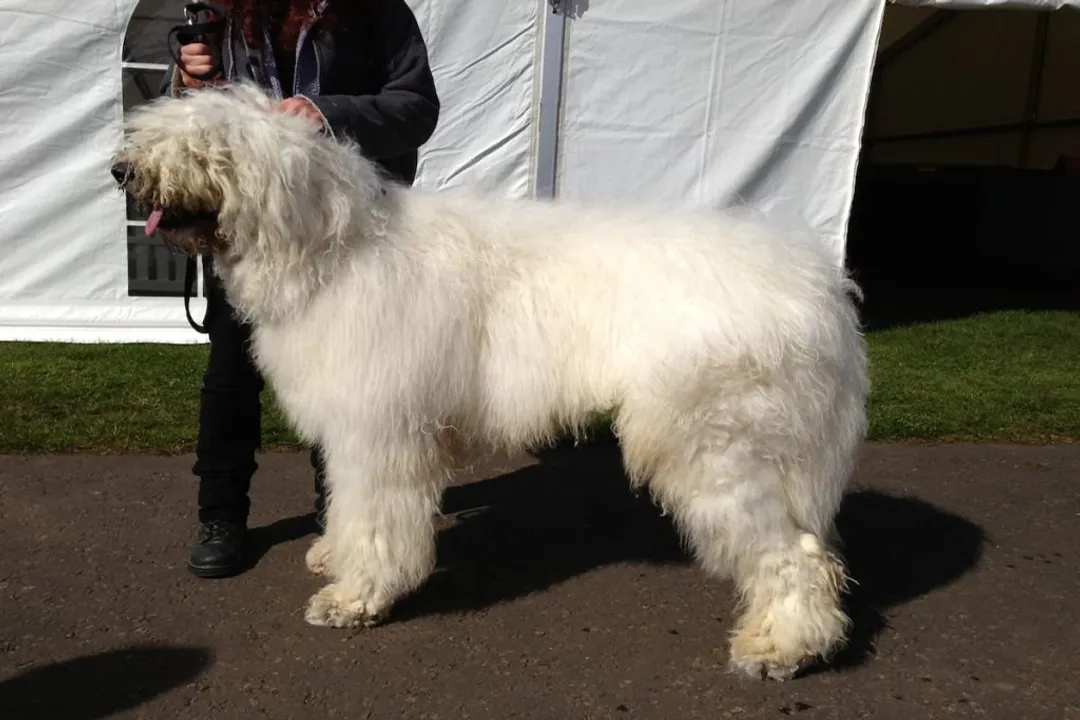
Despite the coat being described as natural, this does not mean it requires no maintenance; quite the opposite is true. [3] The difference between a healthy, corded coat and a painful, compacted mess lies entirely in owner intervention, particularly during the critical development phase. [3][5] Owners must actively assist the coat in forming the correct cords, rather than allowing random mats to form. [3]
The primary care requirement involves ensuring the cords separate properly from the skin outward. [3] When the coat starts to change texture, particularly in puppies and adolescents, owners must manually separate the hair down to the skin at regular intervals. [3] This separation prevents the coat from becoming one giant, impenetrable pelt, which would be impossible to bathe and would restrict movement or cause skin infections. [3] For a Komondor to maintain healthy skin underneath those thick strands, the cords need to be distinct units. [3]
Bathing a Komondor is a significant undertaking. [3] Because the cords act like heavy sponges, they absorb an enormous amount of water. [3] Washing them is time-consuming, but drying them completely is even more challenging. [3] Any moisture trapped deep within the cords, close to the skin, can quickly lead to serious skin irritation or hot spots. [3] Owners often need to use high-velocity dryers after bathing, and the process can take hours, sometimes stretching over a full day, to ensure total dryness down to the base. [3] This is a commitment that prospective owners must deeply understand; it is not a low-maintenance breed simply because the coat mats naturally. [3] The work shifts from constant brushing (like a Poodle) to constant separation and meticulous drying. [3]
One useful technique owners sometimes employ involves working on the cords in sections, almost like treating the coat as a series of manageable braids rather than one large mass. [3] Allowing the dog to roam outside while the cords are damp might seem helpful, but if the dog rolls or lies on wet ground, the process of drying is set back considerably. [3] A well-cared-for Komondor coat is distinctive, clean, and separated, allowing the air to circulate to the skin.
# Breed History
Understanding the Komondor’s role on the Hungarian plains sheds light on why this unusual coat evolved. [2] They are ancient dogs, descendants of Tibetan dogs brought to Europe centuries ago by the Magyars. [2] Their entire existence was centered around protecting livestock herds, a solitary job that required immense independence and protection from both the elements and predators. [6] The heavy coat was an evolutionary advantage in that specific environment. [2] This guardian heritage means they are inherently wary of strangers and extremely devoted to their family or flock. [2][6]
Their historical importance is reflected in their national status; in Hungary, they are considered a national treasure and export is restricted. [2] This cultural significance further underscores the value placed on maintaining their traditional appearance, including the natural corded coat. [2]
The look itself, while striking today, was a functional tool. Imagine a white dog among a white flock of sheep; the Komondor blends in perfectly, confusing predators until the last moment. [6] The cords then serve as the final layer of defense. [6]
# Commitment Considerations
The development of the cords requires patience, especially during the first year or two of life. [5] It is often said that a Komondor does not truly look like a "dreadlocked" dog until they are nearly fully grown. [8] This waiting period necessitates owner commitment to the coat maintenance schedule described earlier. If an owner decides they do not want the cords, the coat must be clipped very short when the dog is young, before the undercoat and outer coat fully bond, as attempting to brush out mature cords is often painful and damaging to the skin. [3] A fully corded adult dog cannot simply be brushed out like a Golden Retriever; the separation process must be done manually by hand. [3]
If you are considering a Komondor, understanding the time commitment for coat care is perhaps more vital than understanding their guarding instinct, because the coat is a daily, tangible responsibility that will last the dog's entire life. [3] A good rule of thumb for cord separation is to check the dog thoroughly at least twice a week during the cord-forming years, paying special attention to friction areas like the armpits and groin. [3] If you find a small mat starting, you must work it apart gently, usually using your fingers, until you can feel the skin underneath the separation. [3]
Ultimately, the answer to whether Komondors naturally dread is an emphatic yes—their coat is genetically programmed to cord. [1][5] However, this natural inclination requires significant, specific, and ongoing human effort to ensure the result is healthy cords rather than an unhealthy, tight pelt. [3] It is this partnership between nature and diligent care that produces the iconic, corded guardian dog. [3][6]
Related Questions
#Citations
TIL that the dog breed Komondors use Dreadlocks to protect against ...
Komondor - Wikipedia
How to Groom A Komondor: Grooming Tips for Their Corded Coat
6 Dog Breeds with Dreadlocks and How That Even Works - Rover.com
Why do Komodo dog dogs have dreadlocks? - Quora
Komondor Puppies - Breed Info - Petland Henderson, Nevada
Dogs with Dreadlocks: Meet the Breeds Rocking Natural Dreads
Everything about the Komondor: health, education, costs - Weenect