Are Havapoos barky?
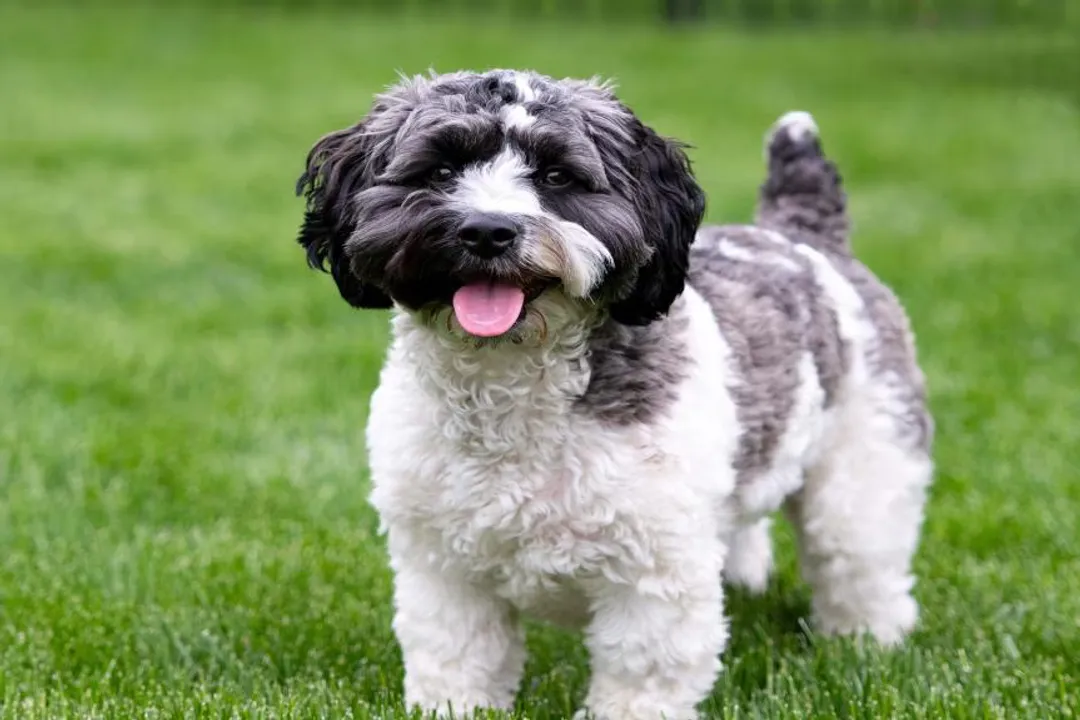
The propensity for a Havapoo—the charming mix of the Havanese and the Poodle—to vocalize is rarely a simple yes or no answer. Because this dog is a hybrid designer breed, its personality traits, including the tendency to bark, can lean more heavily toward one parent or the other, or represent a blend of both. [3][7] Understanding the heritage of this cross is the first step in predicting and managing their noise levels in a home environment.
# Parental Traits

To gauge a Havapoo's potential for barking, one must look closely at the established characteristics of the parent breeds. The Havanese, originating from the Bichon family, is historically known for being an excellent watchdog. [5] They are alert dogs that will readily notify their owners when someone approaches the home or when something unusual happens outside. [5] While they alert, they are not typically described as aggressive barkers, but rather as reliable announcers. [5] However, if they become bored, lonely, or anxious, this alert barking can easily escalate into excessive noise. [5]
The Poodle side of the equation brings intelligence and trainability, but the barking factor depends heavily on the size variety used in the cross (Toy, Miniature, or Standard). [1] Poodles are generally intelligent dogs that respond well to training, which can be beneficial in curbing unwanted vocalization. [1] That said, Poodles can also develop a habit of nuisance barking if they are not sufficiently stimulated mentally or physically, or if they are not properly socialized early on. [1]
The Havapoo, therefore, inherits a genetic predisposition that could result in a dog that is highly attentive to its surroundings, requiring consistent management to ensure that attentiveness translates to useful alerts rather than constant noise. [7]
# Owner Reports
When looking at anecdotal evidence from current Havapoo owners, a spectrum of vocalization levels emerges, reinforcing the idea that the genetic lottery plays a significant role. [4] Some owners report that their Havapoos are surprisingly quiet, only barking when genuinely necessary or during play. [4] These dogs might be lower on the general barking scale compared to some other small companion breeds.
Conversely, reports from online forums and social media groups indicate that some Havapoos are indeed quite vocal. [2][6] One common theme among those who report more frequent barking is that it often stems from separation anxiety or boredom. [7] If a Havapoo inherits the high-alert nature of the Havanese without the corresponding Poodle-driven focus on engaging activities, the result can be a dog that barks readily when left alone or unstimulated. [7]
It is important to note the distinction between different types of barking gleaned from owner experiences. A dog that barks frequently because it is attempting to communicate needs (like wanting out or needing attention) is managed differently than a dog whose barking is driven by territorial alerts or anxiety. It appears that many owners find that while their Havapoo is alert, they do not necessarily develop habits of excessive barking, provided their environment meets their stimulation needs. [4]

# Inheritance Risk
The specific combination of the parent dogs significantly influences the outcome, a factor often overlooked when adopting a designer crossbreed. While the general description might place the Havapoo as a medium-to-low barker, this average masks significant variation. [7]
A useful way to assess the potential risk before acquiring a puppy involves a simple comparison assessment, which can inform early training decisions.
| Trait | Havanese Tendency | Poodle Tendency | High-Risk Havapoo Profile |
|---|---|---|---|
| Alertness/Watchdog | High [5] | Moderate [1] | Inherits high alertness, leading to frequent warning barks. |
| Boredom Barking | Moderate (if lonely) [5] | Moderate (if under-stimulated) [1] | High risk if insufficient mental exercise is provided. |
| Attention Seeking | Moderate | Moderate to High (especially Toys) | May learn that barking gets them what they want quickly. |
If a Havapoo puppy is bred from two parents whose lines are known for being particularly sensitive to noises or who are prone to "alarm" barking, prospective owners should plan for an increase in vigilance training right from the start. [5] Conversely, if the Poodle parent comes from a line known for quiet confidence and the Havanese parent is known for being calmer, the resulting puppy may be significantly less vocal.
# Management Tips
Regardless of the inherited tendency, proper environment and training are the most effective tools for keeping a Havapoo’s vocalizations within acceptable bounds. [3] A critical component is ensuring the dog receives adequate physical exercise paired with consistent mental challenges. Because both parent breeds are intelligent, their brains require work as much as their legs do.
One highly effective, though sometimes subtle, management technique involves addressing why the dog is barking, rather than just punishing the sound itself. For example, if the dog barks at the mail carrier (alert/territorial), the solution isn't just stopping the bark; it's changing the dog’s emotion about the mail carrier. This is often achieved through counter-conditioning: pairing the sight/sound of the mail carrier with something highly positive, like a favorite chew or a high-value treat, before the dog starts barking. [3]
Another important consideration involves early socialization. Exposing a puppy to a wide variety of sights, sounds, and people during the critical socialization window helps build confidence. A confident dog is less likely to bark out of fear or uncertainty when encountering novelty in their environment. [1] Furthermore, teaching a reliable "Quiet" command is essential. This command must be paired with rewarding the silence that follows a bark, rather than just yelling over the noise, which can sometimes be misinterpreted by the dog as you joining in the barking. [3]

# Setting Expectations
For potential owners deciding on a Havapoo, setting realistic expectations about noise levels is vital for long-term happiness in the relationship. If an absolutely silent companion is the goal, no breed—especially one derived from a natural watchdog like the Havanese—can guarantee that outcome. [5]
Owners should anticipate that they will have a dog that is aware of its surroundings and willing to speak up. The key difference between a barky Havapoo and a well-behaved Havapoo often comes down to the owner’s commitment to consistency. A dog that is allowed to "practice" barking at every passing squirrel or leaf will solidify that behavior. [7]
In practice, a Havapoo puppy that is introduced to crate training using positive reinforcement and is consistently given puzzle toys or short training sessions throughout the day is far less likely to develop problem barking stemming from isolation or tedium. Training for silence, just like training for any other desired behavior, requires patient and proactive reinforcement, not just reactive correction. [3] This active management style ensures that the Havapoo remains a delightful companion whose alert nature is a minor feature, not a constant distraction. [4]
Related Questions
#Citations
Havapoo Dog Breed Health and Care - PetMD
Do Havanese dogs bark a lot? - Reddit
Havapoo: Your Complete Guide - Dog Academy
How to stop a havapoo from barking? - Facebook
Do Havanese bark a lot?
Considering a Havanese
Do Havapoos Bark a Lot? Understanding Their Barking Behavior
Havapoo Dog Breed Health, Training, Feeding, Puppies ... - PetGuide
Do Havapoos bark a lot? - Adopt a Pet