Are bobolink populations declining?

The familiar, bubbly song echoing across open fields is growing fainter. Many birdwatchers and agricultural communities have noticed a distinct decrease in the numbers of the Bobolink (Dolichonyx oryzivorus), a truly unique North American songbird whose presence signifies healthy grassland ecosystems. [6][7] This small, stout sparrow-like bird, known for the male's striking black, white, and buff plumage during breeding season, is facing significant population challenges across its range. [6][4] While the species is globally assessed as secure, regional and local declines are prompting serious conservation focus, particularly in the northeastern United States and the Midwest where they breed. [7][3]
# Range Map
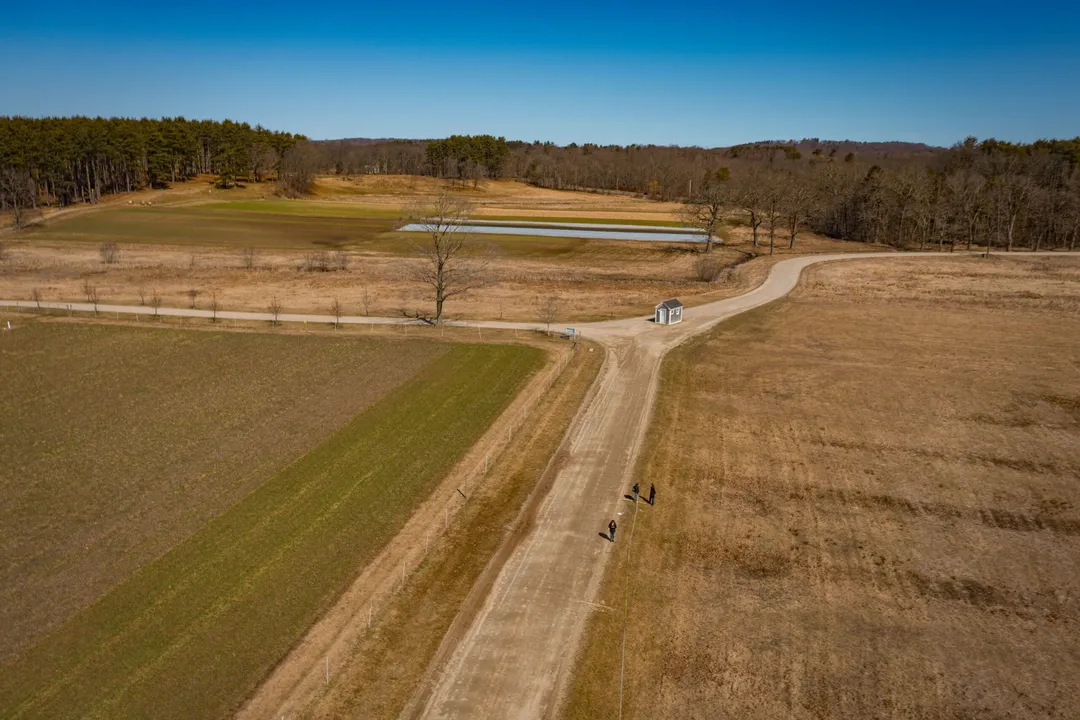
To understand the decline, one must first appreciate the Bobolink’s migratory habits. These birds undertake an impressive journey each year, breeding across the open, grassy expanses of the northern United States and southern Canada. [3][6] This preferred breeding habitat includes hayfields, moist meadows, and pastures—the very agricultural landscapes that are changing rapidly. [3][8]
Once the breeding season concludes, the Bobolink embarks on a massive migration south, ending up in the southern cone of South America, primarily wintering in areas like Argentina, Bolivia, Brazil, Paraguay, and Uruguay. [4][6] This dual dependency—requiring quality habitat on two separate continents separated by thousands of miles—immediately complicates conservation efforts. A threat in Vermont is inextricably linked to a threat in Argentina. [6]
# Agricultural Change
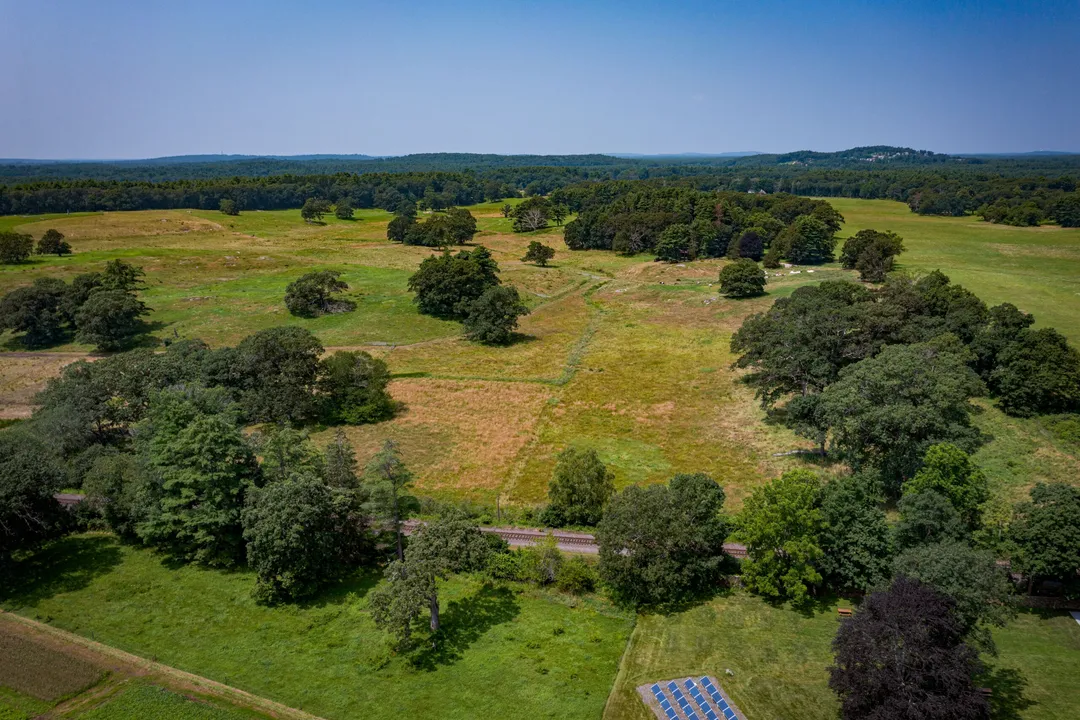
The primary driver for the alarming drop in breeding populations is directly tied to how we manage these crucial grassy habitats. [6][8] Bobolinks are ground-nesters; they build their nests directly on the ground, often concealed within dense vegetation in hayfields or pastures. [3] This behavior puts them directly in the path of modern mechanized agriculture.
Historically, hay was often cut later in the season, allowing the birds adequate time to complete their nesting cycles. However, shifts toward earlier and more frequent mowing for higher-quality hay or silage production are proving disastrous. [8] A single pass of a mower or swather can destroy an entire nest, crushing eggs or killing nestlings before they are old enough to fly. [3][8] Because Bobolinks may attempt multiple broods throughout a season, losing the first clutch due to an early June cut means the entire reproductive effort for that pair might be lost before the season truly gets underway. The timing of farm operations is, therefore, the most immediate threat to their survival on the breeding grounds. [8] The transition from traditional farming rhythms to intensive, early harvesting schedules has created an ecological trap for these specialized grassland birds. [8]
# Song Unique
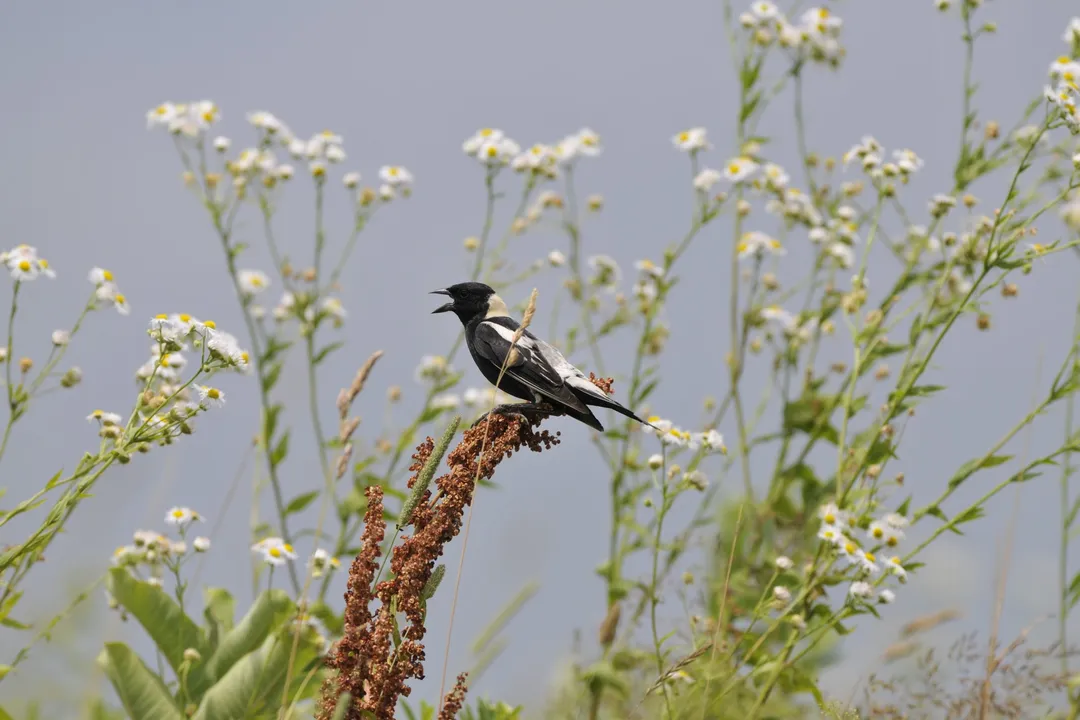
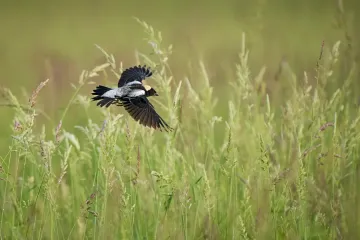
The bird itself is quite distinctive, which aids in both monitoring and appreciating its conservation value. The male, in breeding plumage, is hard to mistake: a vibrant mix of black on the belly, rich buff on the nape and hind-neck, and white patches on the wings and rump. [6] But it is the sound that often alerts observers to their presence. The male delivers a complex, bubbly, and rambling song described poetically as sounding like "bob-o-link, bob-o-link, spink, spank, spunk". [6][4] This vocal display is often given in flight, adding to the charm of a summer morning in a suitable field. [4] While the females are much drabber, blending in with dried grasses for camouflage, the male’s auditory signature is a crucial indicator of a healthy breeding ground. [6]
# Citizen Science
Because the scale of habitat monitoring is enormous, organized efforts involving the public have become central to understanding and addressing the decline. [7] Community science initiatives provide essential data points that professional surveys might miss. [7] By counting Bobolinks in designated fields—sometimes referred to as "perch counting"—volunteers contribute directly to population tracking and conservation mapping. [7] Such monitoring helps identify which remaining fields are critical breeding strongholds. [7] For instance, groups track locations and report sightings to better inform land managers about where conservation practices are most needed. [2] This engagement is not just about data collection; it builds public awareness and appreciation for grassland conservation, which is vital for generating political and financial support for farmer incentive programs. [7]
# Local Action
Addressing the Bobolink crisis requires direct, cooperative intervention on the ground, primarily focused on modifying agricultural timing in those breeding meadows. [8] While the wintering grounds face their own challenges related to land-use change in South America, what landowners can do in the breeding range offers immediate hope. [6][4]
The most direct strategy centers on delaying the first hay harvest. If farmers can hold off mowing until after the peak nesting period has concluded—often mid-July—the reproductive success rate for Bobolinks increases dramatically, allowing young birds to fledge safely. [8]
Here is a simple way to think about the impact of timing:
| Action | Typical Timing | Impact on Bobolink Nesting |
|---|---|---|
| Early Mowing | Late May – Mid June | High risk of total nest failure [3] |
| Delayed Mowing | Mid-July Onward | Allows most nests to fledge successfully [8] |
It is interesting to consider the economics here. Farmers are often incentivized to cut early for better feed quality, but conservation groups are finding success by establishing partnerships that perhaps offer financial compensation or recognition for the delay, turning a potential conflict into a win-win scenario for biodiversity and agriculture. [8] A practical approach for local conservationists might involve mapping out the known breeding fields and prioritizing outreach to those farmers whose cutting schedules align best with a mid-July delay, perhaps suggesting a first cut on a small section for demonstration purposes. Such targeted, non-confrontational engagement builds the trust needed for long-term land management shifts, moving beyond simply documenting the decline to actively reversing it in localized areas. [8] The success of a bird that travels from the Pampas to the northern prairies hinges on a few strategic weeks on a few thousand farms. [4][6]
Related Questions
#Citations
The Bobolink - Cazenovia Preservation Foundation
Bobolink population decline due to habitat loss - Facebook
Bobolink - NYSDEC
Bobolink - Wikipedia
Bobolink (Dolichonyx oryzivorus) Declines Follow Bison (Bison ...
The Bobolink - Northern Virginia Bird Alliance
Dolichonyx oryzivorus - Bobolink - NatureServe Explorer
Bobolink birds are in decline. Vermont's fields are key to changing that.
Jean Shin's Perch: Counting on Community Science