What is the temperment of a Dorkie?

The temperament of a Dorkie—the cross between a spirited Yorkshire Terrier and a bold Dachshund—is a captivating blend of two distinct personalities, resulting in a small dog with a large presence. [1][3][8] Owners often find that this designer dog inherits an endearing mix of traits, frequently presenting as intelligent, playful, and deeply devoted to its primary family members. [1][4] Because they are a hybrid, the exact manifestation of traits can vary significantly from one Dorkie to another, making consistency a matter of luck, though certain tendencies are quite common across the breed mix. [2][5]
# Personality Mix

The foundation of the Dorkie’s character is a spirited combination of the Terrier's assertiveness and the Dachshund's sometimes clownish, yet determined, nature. [1][2] They are generally described as spunky and affectionate companions. [1][4] This boldness often translates into confidence, meaning they may not always recognize their relatively small stature when interacting with larger dogs or unfamiliar people. [1] This inherent bravery is one of the most charming, yet sometimes challenging, aspects of their personality. [4]
One consistent observation is the Dorkie's capacity for deep attachment. [1][4] They often form an extremely close bond with a specific person within the household, sometimes referred to as a "Velcro dog" tendency. [1][5] While they enjoy being lap dogs and showing affection to their chosen person, this intense focus can sometimes manifest as protectiveness or a reluctance to share attention. [1]
# Social Bonds
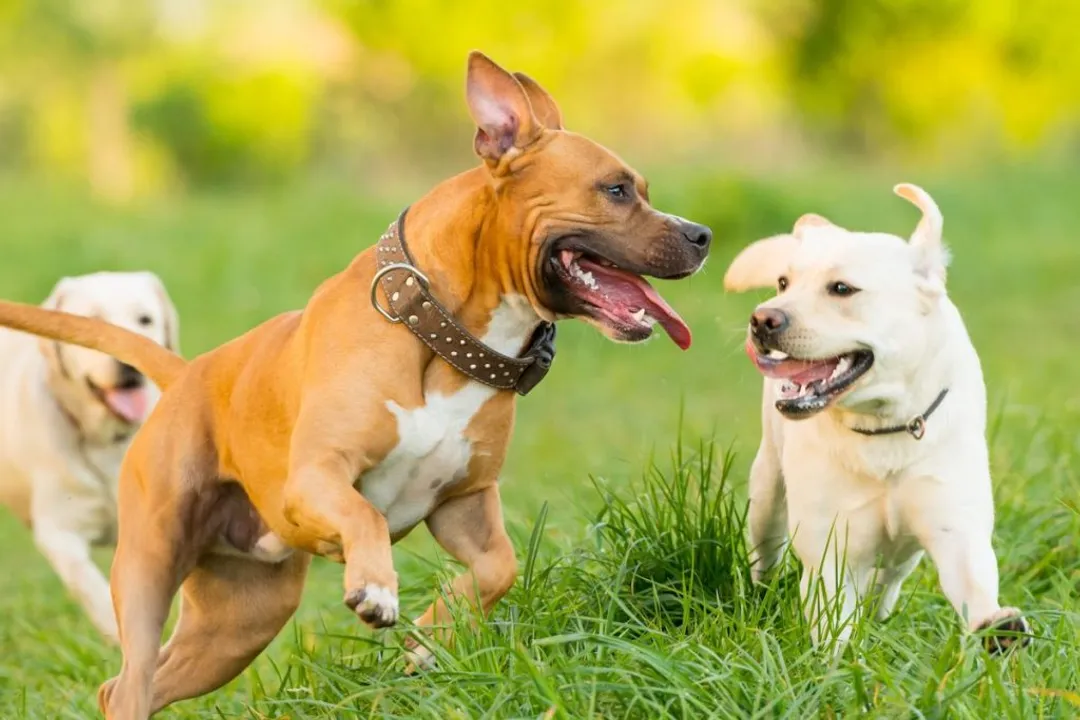
Understanding how a Dorkie interacts with the wider world—family, strangers, and other animals—is crucial for successful integration into a home environment. [4]
# Family Interaction
When raised within a loving family structure, Dorkies are typically good companions. [1] However, their small size dictates a need for gentle interaction, meaning they may not always be the best fit for homes with very young, rambunctious toddlers who might accidentally injure them. [2] They tend to do better with older, respectful children who understand how to handle a toy breed gently. [1] Their loyalty means they crave interaction and do not fare well when left alone for extended periods, which can lead to unwanted behaviors such as destructive chewing or excessive vocalization. [5]
# Strangers Pets
The parent breeds suggest a few areas that require proactive management. The Dachshund lineage carries a notable prey drive, so a Dorkie should always be supervised around smaller animals like hamsters, gerbils, or even small cats, as the instinct to chase may override training. [1] Furthermore, inheriting traits from either the Yorkie or the Dachshund can result in a dog that is naturally wary of strangers. [1] Early and frequent exposure to diverse sights, sounds, and new people is essential to developing a well-adjusted adult. A helpful approach when introducing your Dorkie to new acquaintances is to conduct the initial meeting in a neutral outdoor space rather than immediately inviting strangers into your dog’s primary living area. This controlled, external environment often lowers the initial guard perception and allows the dog to assess the new person without feeling the immediate need to defend its territory. [5]
# Activity Play

Despite their small size, Dorkies are not entirely sedentary lap warmers; they possess a moderate energy level that requires daily attention. [1] They need regular opportunities to stretch their legs and engage their minds. [1] A couple of short daily walks, combined with indoor playtime, is usually sufficient to keep them happy and healthy. [1]
A key consideration for this breed is weight management. Both Dachshunds and Yorkies are prone to obesity, and the Dorkie often inherits this susceptibility. [1] Because they are small, even a few extra pounds can put significant strain on their tiny bodies, particularly their backs, given the Dachshund's longer spine structure. Monitoring their food intake rigorously and ensuring they get consistent, moderate exercise are vital components of responsible ownership. [1]
# Training Stubbornness
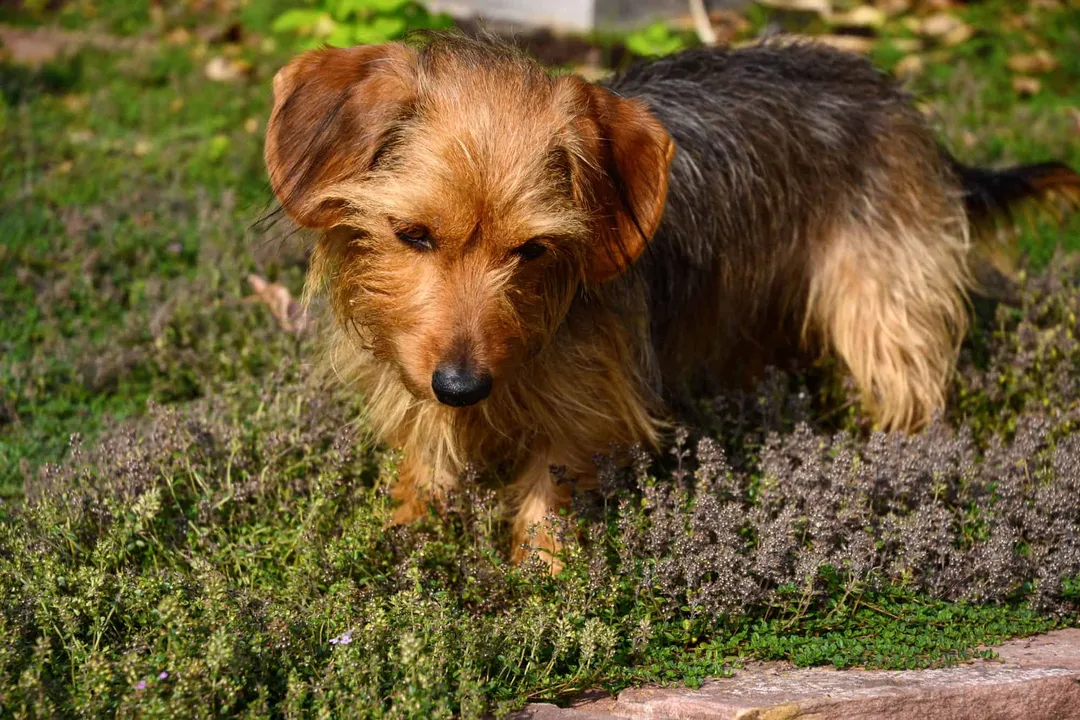
Dorkies are intelligent animals, benefiting from the smarts of both parent breeds. [1] However, intelligence combined with a stubborn streak can present a training hurdle for novice owners. [4] They are known to be willful, which means they may decide that ignoring a command is preferable to obeying it, especially if they don't immediately see the value in performing the action. [1]
Consistency is the bedrock of training this mix. They thrive under positive reinforcement techniques, responding well to praise, treats, and play as rewards. [5] Harsh methods or severe reprimands will likely cause a Dorkie to shut down or, conversely, become more defiant. [5] When training, it is helpful to remember that while a Dachshund might be motivated by a scent game (playing into their low-to-the-ground nature), a Yorkie often seeks praise and pleasing their owner; tailoring your reward system to whichever parent trait is dominant in your individual dog can speed up the learning process significantly. [1]
# Vocal Tendencies
A common concern voiced by owners is the Dorkie’s propensity for barking. [5] Both parent breeds are known to be vocal—Yorkies for alert barking and Dachshunds for sounding the alarm—so the Dorkie often develops a surprising bark for its size. [1][2] Training must proactively address this tendency. Teaching a reliable "Quiet" command early in life, paired with rewarding silence, can help manage excessive noise, especially when strangers are present or external stimuli occur. [5] Owners must be consistent in distinguishing between necessary alert barking and nuisance barking.
# Care Needs
While temperament shapes daily life, the physical inheritance influences care, which ties back into behavior. For instance, due to the Dachshund heritage, these dogs are low-riders whose backs need protection. [1] Behaviorally, this translates to avoiding activities that involve jumping off high furniture or excessive stair climbing, which can strain the long, delicate spine. [1]
Furthermore, coat maintenance is generally easy, as they often inherit a short, relatively low-shedding coat, though individual variation exists. [4] Regular nail trims and dental care are necessary, as is common with most small breeds, to prevent discomfort that could otherwise manifest as irritability or behavioral issues. [1]
The overall picture of the Dorkie temperament is one of a devoted, spirited, and sometimes demanding little dog. [1][4] They are best suited for owners who can provide consistent structure, early socialization, and plenty of one-on-one attention to channel their playful confidence into positive companionship. [5] They make excellent companions for singles or couples, or families with older children, provided that the commitment to positive, persistent training is embraced. [1][2]
Related Questions
#Citations
Dorkie Dog Breed Health and Care - PetMD
Dorkie Dog Breed Information and Characteristics - Daily Paws
Dorkie Dog Breed Complete Guide - A-Z Animals
Dorkie: Your Complete Guide - Dog Academy
Dorkie 2025 Guide: Personality, Training & Care - Ask A Vet
How would you describe the temperament of a dorkie? - Quora
Dorkie Dog Breed Information & Characteristics - DogTime
Dachshund Yorkie Mix: The Ultimate Dorkie Guide - Alpha Paw
Dorkie | Dog Wiki | Fandom