What is a schneagle?
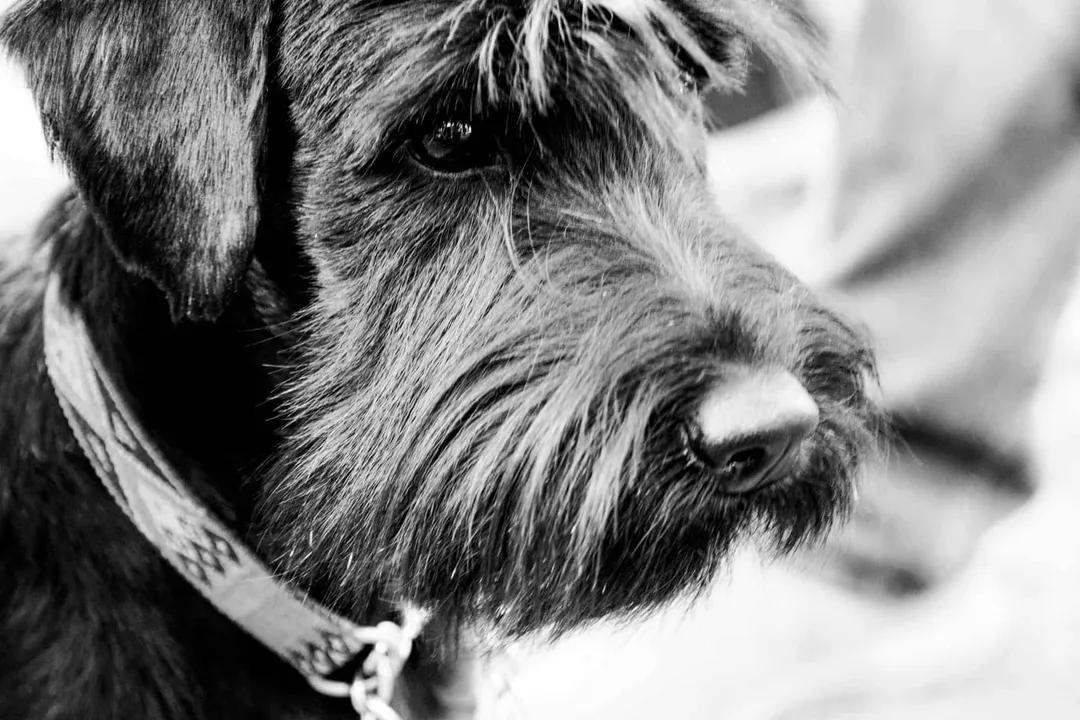
The Schneagle is an engaging crossbreed that captures the hearts of many by mixing the dependable nature of the Schnauzer with the cheerful curiosity of the Beagle. This designer dog, often developed from the Miniature Schnauzer and the Beagle, has rapidly gained popularity as a small, spirited companion suitable for various living situations across the United States. Understanding this mix means looking closely at the distinct heritages of its parents to anticipate the traits that might emerge in any individual pup.
# Parentage Appearance
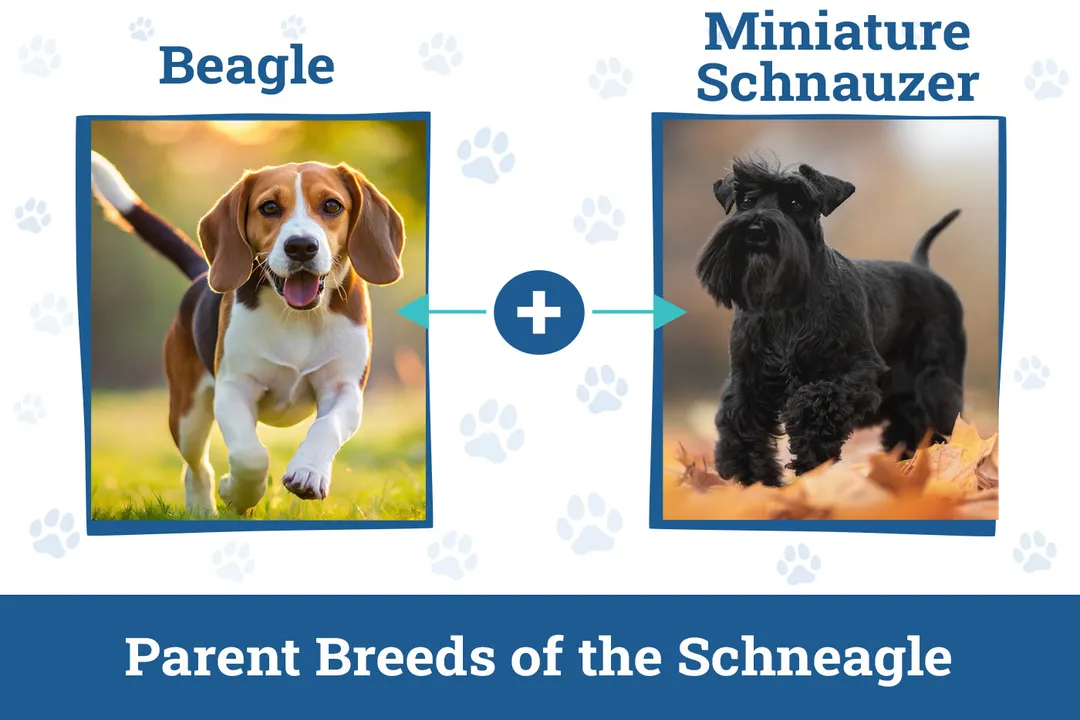
The Miniature Schnauzer, whose name translates to "snouter," is recognizable by its prominent muzzle and signature whiskers. Schnauzers, regardless of their size—Miniature, Standard, or Giant—are known for being intelligent, protective, and energetic. Historically, Schnauzers were versatile German farm dogs, tasked with tasks like herding, guarding property, and pulling small carts. On the other side is the Beagle, a classic hound breed, often associated with European nobility's hunt for small game like rabbits. Beagles possess an exceptionally keen sense of smell, which aids their tracking but also predisposes them to wander when a compelling scent arises. Beagles are generally good-tempered and gentle, contributing a mellow element to the hybrid mix.
When these two types merge, the result is the Schneagle, a dog that blends the intelligent stubbornness of the terrier side with the single-minded focus of the hound. This combination results in a loyal and loving dog that forms intense bonds with its people.
# Size Variation
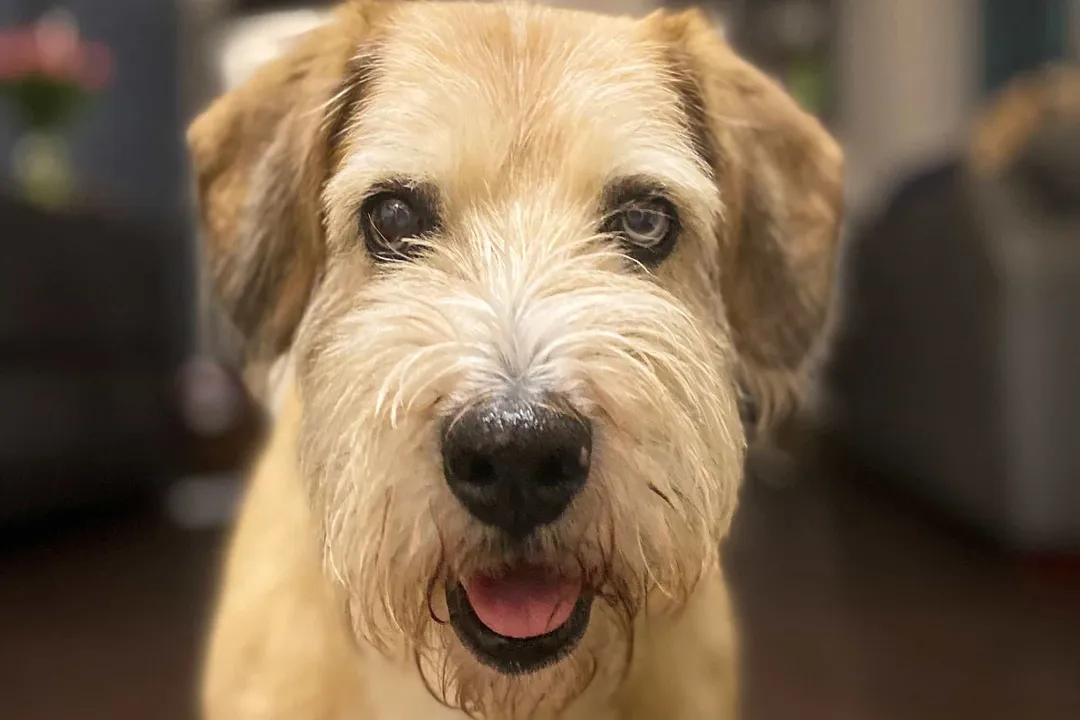
One of the most critical elements a potential owner must research involves the size of the parent Schnauzer used in the breeding, as this directly impacts the adult dog’s stature and needs. While the goal is often a small companion, the resulting Schneagle can show significant physical variation. Generally, this crossbreed is described as small. Sources list an average height of about 12 to 14 inches at the shoulder. However, weight expectations show a wider range; some sources suggest a mature weight between 10 and 20 pounds, while others place the maximum weight closer to 25 pounds for males and 15 pounds for females. A much smaller projection is also noted, placing the adult weight under 14 pounds.
Prospective owners must confirm with the breeder or rescue whether the lineage involves a Miniature Schnauzer or potentially a Standard Schnauzer, as this will dictate the final size, which affects everything from the appropriate crate size to the general strain on their joints as they age. If the Standard Schnauzer contributes more, the dog might lean toward the upper end of the weight scale, whereas a Miniature pairing keeps them firmly in the pint-sized category. Appearance-wise, they can display coats ranging from black and tan to tricolored or fawn, and often inherit the soft, floppy ears characteristic of the Beagle.
# Disposition Social Needs
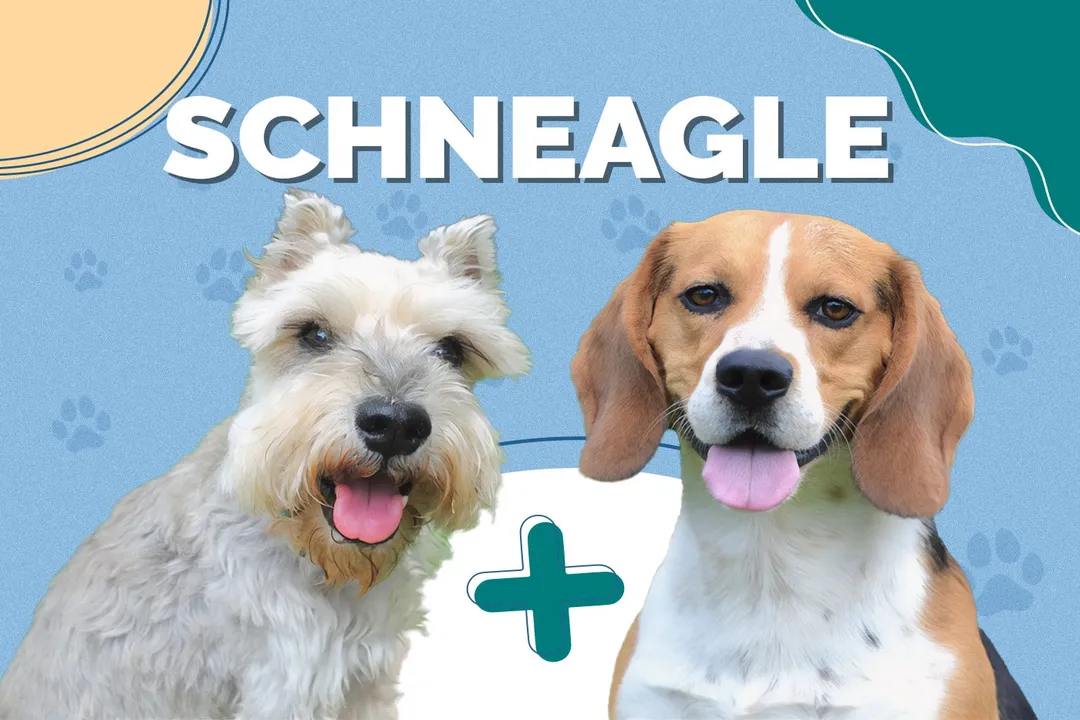
The Schneagle's temperament is often described as energetic, playful, and deeply devoted. They thrive on being the center of attention and are known to follow their owners from room to room, seeking affection and involvement in household activities. This strong need for connection means they are prone to developing separation anxiety if left isolated or unoccupied for extended periods. This predisposition makes them excellent fits for busy households or families where someone is often home, rather than for individuals who work long hours away from the house.
These dogs generally exhibit kindness toward children and get along well with them, whether the kids are boisterous or more subdued. Early and consistent socialization is key for optimal integration with other dogs in the home. A word of caution must be noted regarding smaller household pets; stemming from both the terrier's prey drive and the hound's instinct to chase, the Schneagle may view cats, birds, or small rodents as prey items, making cohabitation potentially risky without very careful, early introduction. While they are generally sociable, some individuals may also develop a protective streak toward their home and family when they feel a need to guard them.
# Routine Care Maintenance
Keeping a Schneagle happy involves balancing their mental and physical exercise needs with appropriate nutrition and upkeep for their unique coat.
# Exercise and Mental Fitness
Despite their small stature, Schneagles possess a notable energy level that requires daily management. An hour of moderate physical activity, such as dedicated walks or time spent playing games, is recommended to maintain a healthy weight and prevent boredom-related behaviors. Since they inherit excellent scenting abilities from the Beagle side, fulfilling their need to track and investigate is crucial for mental well-being.
For owners concerned about their dog’s strong inclination to wander when outdoors—a trait fueled by both scent tracking and prey drive—integrating scent work games indoors can be highly beneficial. Activities like scent discrimination trials or simply hiding high-value treats around the house and encouraging them to "find it" provide deep mental engagement that mimics tracking behavior safely. This focused mental stimulation can help satisfy their powerful tracking instincts, potentially making them less prone to bolting after every passing smell when on a leash outside.
# Diet Weight Management
Because of their relatively small size, Schneagles do not require a large volume of food. The general guideline suggests no more than one cup of high-quality dry dog food spread across the entire day. However, they are known for being greedy eaters and can put on weight quickly, making portion control a necessity. To manage this, dividing that daily cup into three smaller servings—morning, noon, and evening—is often advised. When selecting food, owners should be mindful of potential future orthopedic issues like hip dysplasia, favoring brands that offer good calcium content, with chicken or fish being suggested sources.
# Coat Grooming
The grooming commitment for a Schneagle is heavily dependent on the dominant parentage. If the coat leans toward the Miniature Schnauzer's wiry texture, it may shed minimally, possibly suiting mild allergy sufferers, and require brushing perhaps every other week. If the Beagle influence is stronger, the coat might be thicker and require more regular brushing, perhaps weekly, to manage any excess hair. Regardless of the coat type, a weekly brushing session is a good baseline, alongside monthly bathing, regular nail trimming, and frequent teeth brushing to maintain overall health. Owners should also regularly check their dog's floppy ears, as the warm, enclosed environment can make them susceptible to infections or waxy buildup, necessitating careful drying after exposure to water.
# Health Outlook
While the goal of crossbreeding is often to eliminate the hereditary weaknesses of purebred lines, the Schneagle still carries the risk of inheriting certain conditions from either parent. They are generally expected to have a lifespan between 12 and 15 years.
A variety of orthopedic and sensory issues have been noted in the breed:
- Orthopedic Concerns: Hip dysplasia (affecting the hip joint socket) and Patellar luxation (a kneecap displacement) are conditions to monitor, especially as the dog ages.
- Eye Issues: Owners should watch for Glaucoma, which involves increased eye pressure, and Cherry eye, which is the prolapse of a gland from the third eyelid. Progressive Retinal Atrophy (PRA), a degenerative eye disorder, is also a possibility.
- Neurological/Other: Epilepsy is a recognized concern; while sometimes difficult to diagnose, it is frequently manageable with veterinarian-prescribed medication. Intervertebral Disc Disease (IVDD), a spinal issue that can sometimes lead to serious mobility impairment, is another condition to be aware of.
Being aware of these potential health markers allows owners to work proactively with their veterinarian, particularly through regular check-ups and appropriate early diet management to support joint health.
# Male Female Differences
In terms of physical characteristics, female Schneagles tend to mature at a slightly lighter weight and may possess a smaller frame than their male counterparts, although this is not an absolute rule. Ultimately, the determination of temperament and exact physical build remains far more influenced by the specific genetic contribution from the Miniature Schnauzer or Beagle parent than by the dog's gender. Both sexes carry the same potential for affection, energy, and intelligence inherited from their working ancestors.
For families prepared to meet the high social demands of an attention-loving, energetic, and intelligent companion, the Schneagle offers immense loyalty and playful affection in return. This hybrid dog’s charming personality and adaptability to apartment life make it a rewarding addition, provided prospective owners approach potential training difficulties with patience and consistency.
Related Questions
#Citations
Schneagle Dog Breed Information and Pictures
Schneagle (Beagle & Miniature Schnauzer Mix): Info, Pictures & Care
Schneagle Dog Breed Complete Guide - A-Z Animals
Schneagle (Miniature Schnauzer & Beagle Mix): Info, Pictures, Traits ...
Schneagle | Pet Premium - Pet Insurance Comparison
Schneagle Breed Information, Characteristics & Heath Problems