Are shollies affectionate?
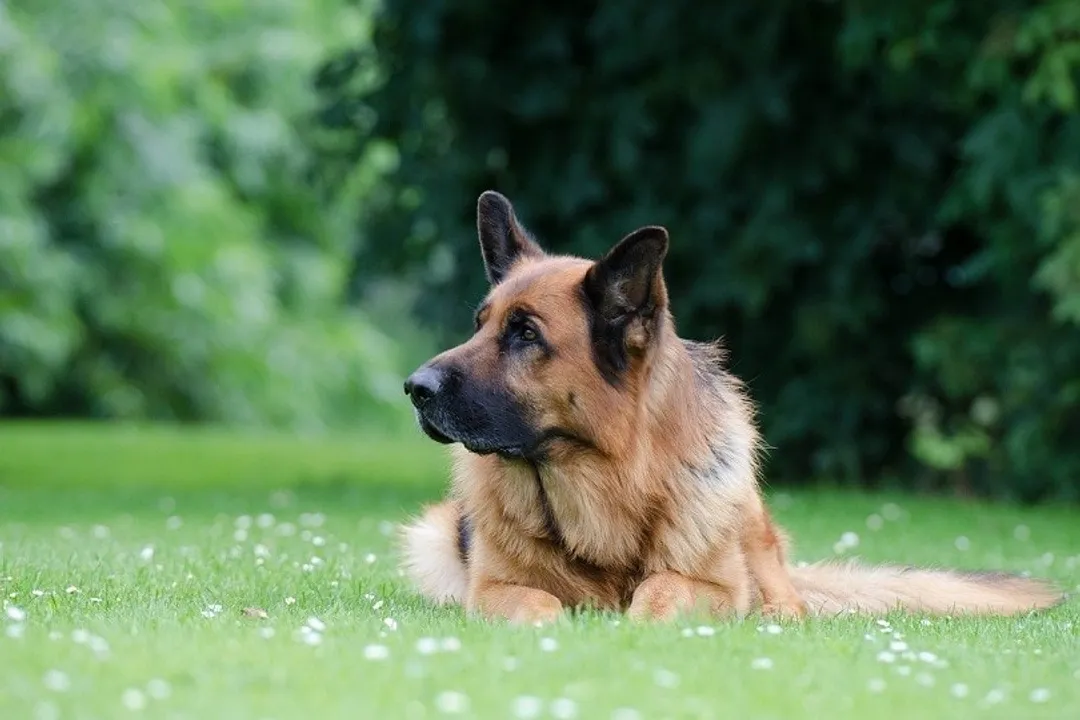
The Shollie, a captivating cross between the German Shepherd and the Border Collie, immediately presents a paradox wrapped in a fluffy coat: how does a dog bred for intense work and guarding express its softer, loving side? Owners quickly learn that the answer isn't a simple yes or no; affection in a Shollie is deeply intertwined with their high intelligence and inherent drive. They are consistently described as energetic, devoted, and loyal companions, often lauded as lovable. This isn't the lap-dog affection of a toy breed, but rather a profound, engaged devotion that mirrors the dedication they bring to any task.
# Hybrid Heart
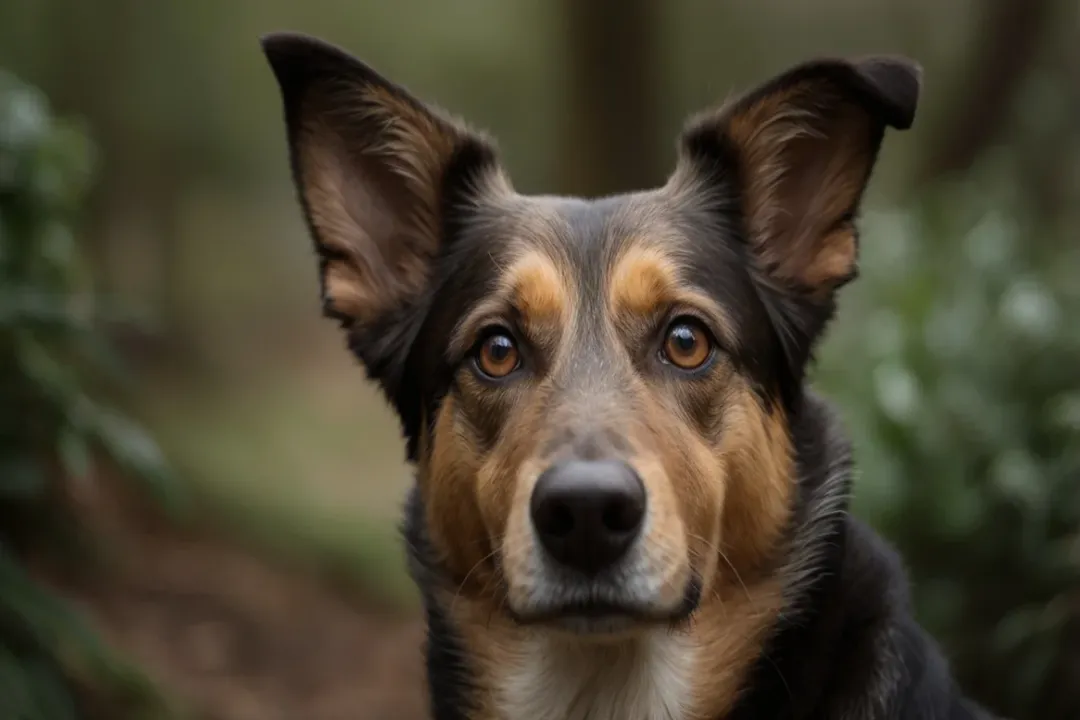
Understanding the Shollie’s affection begins with respecting its parentage. They inherit strong working genes from both sides. The German Shepherd contributes unwavering loyalty and a protective instinct that lasts their entire lifespan. Conversely, the Border Collie lends world-class intelligence and a powerful herding drive. The result is a dog that is highly intelligent and quick to learn, possessing an eager-to-please nature. This combination means their primary mode of showing love is often through action and participation, not just passive cuddling. They are brilliant canines that thrive when they have a purpose alongside their people.
# Bonding Depth
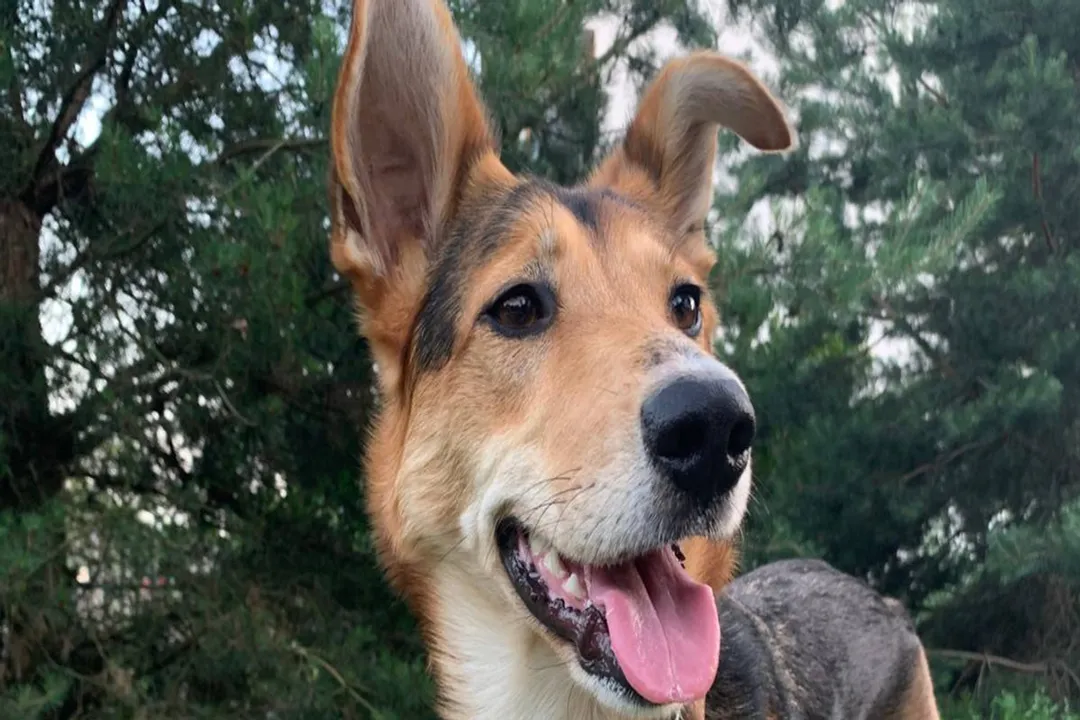
For the Shollie, loyalty translates directly into intense bonding. These dogs bond very strongly with their people, forming connections that can feel lifelong, especially with the children of the household. They are seen as loving companions and can be gentle with children. When integrated into the family structure early on, they quickly view family members as their own pack, often stepping into an almost parental role where they guard and look after the younger ones. This deep connection is fundamental to their temperament. If you are looking for a dog that will be a steadfast, devoted member of your inner circle, the Shollie offers that commitment in spades. This depth of attachment is why they are typically not good matches for owners who live sedentary lifestyles or cannot dedicate significant time to their companionship.
# Intelligence Connection
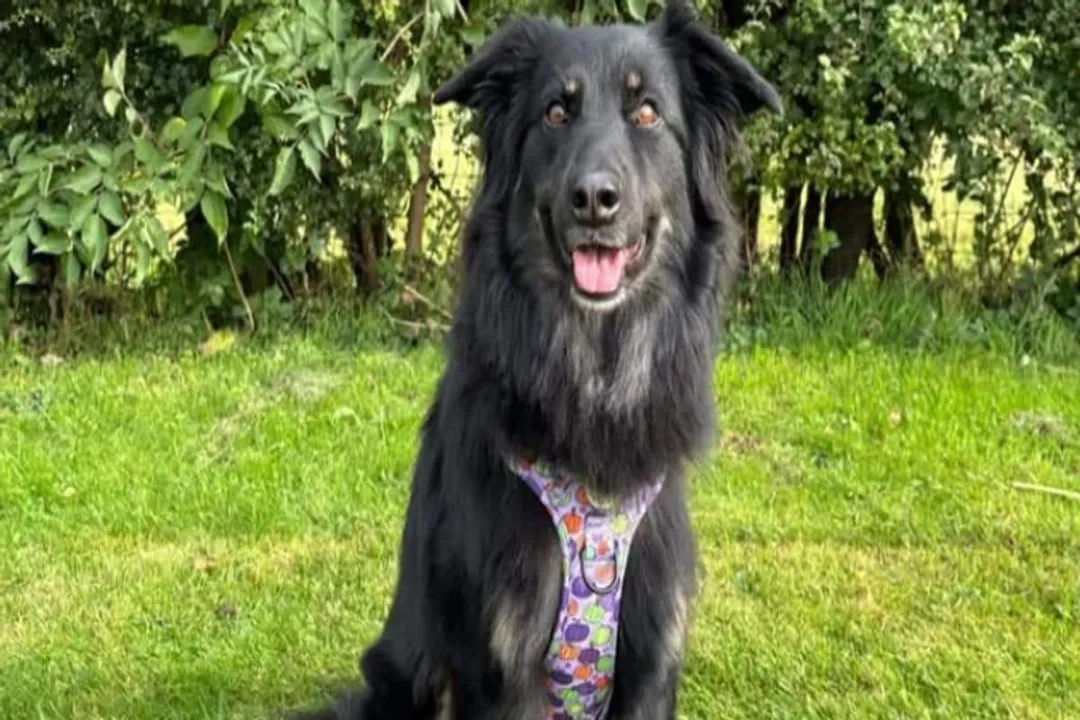
The intelligence that makes the Shollie excellent at agility and obedience is also a major component of its affectionate interaction style. For a Shollie, being mentally engaged with you is affection. It’s not enough for them just to be in the same room; they need a shared mental space.
This is where the demanding nature of their brilliance loops back to their loving side. A Shollie that is left to its own devices without mental stimulation can become bored, leading to undesirable behaviors like chewing furniture or digging. From the owner’s perspective, this might feel like a frustrating destructive phase, but for the dog, it’s a coping mechanism for a lack of mental partnership. Consider the time spent working through a complex training routine or learning a new trick not just as training, but as high-quality bonding time. When you teach your Shollie a complex sequence of commands—perhaps integrating herding games that tap into their genetics—you are speaking their language of love. They find fulfillment and connection in achieving a shared goal with their person. If you approach their required daily hour of exercise as a structured activity rather than just a walk around the block, you satisfy both their physical and emotional needs simultaneously. This mutual activity is the bedrock of their devoted nature.
# Family Dynamic
Shollies are known to do very well with children, provided they are socialized to them from a young age. Their protective instincts, inherited from the German Shepherd side, mean they naturally want to keep their human family safe. This can manifest as an urge to "herd" young children around the house or yard, an instinctual attempt to keep their flock within a safe boundary. While this behavior needs gentle redirection—especially since they are large dogs capable of accidentally knocking over toddlers—it stems from a desire to nurture and protect, which is a strong expression of their affection.
However, that protective streak means they often display a wary or reserved demeanor around strangers and guests. They are loyal to their people, which often means they are reserved about people who are not yet integrated into that trusted circle. They make good guard dogs precisely because they are selective about who gets access to the family unit they cherish so much.
# Affection Calibration
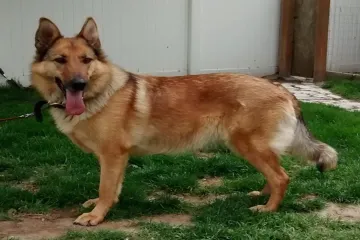
One fascinating way to observe the spectrum of Shollie affection is through recognizing potential gender differences. Some observations suggest that female Shollies tend to be more friendly and affectionate in general compared to males, who might lean more toward aggression and territorial behaviors. While individual personality always dictates the final result, this tendency implies that owners should be prepared for different expressions of devotion based on sex.
Furthermore, the intense need for attention requires owners to learn to calibrate their response to the dog’s need for proximity. A Shollie wants to be near you, often following you from room to room. While this is a clear display of wanting to be close, it’s critical to distinguish this from neediness that turns into separation anxiety. If you allow them to be constantly engaged while you work from home, they are happy. If you leave them alone without sufficient mental tasks, their affection can turn into anxiety-driven destruction. Therefore, a healthy level of affection management involves scheduling dedicated "job time" (training, puzzle toys) even when you are home, to satisfy their intellectual requirements so their physical presence feels like companionship rather than constant demand. Recognizing that a well-exercised and mentally satisfied Shollie is a much more relaxed and overtly cuddly companion is key. If you notice them pacing or staring intently when you are occupied, try redirecting that focus onto a short, high-value obedience drill instead of just petting them; this acknowledges their desire to work with you, which is their purest form of positive connection.
# Care Demands
The expression of Shollie affection is inherently tied to the level of care provided. A happy Shollie is a loving Shollie, and these dogs have specific requirements that cannot be skirted if you expect optimal temperament and bonding. Their high energy means they require a minimum of an hour of exercise daily and thrive best in homes with ample space to roam, making apartment living an unsuitable choice. Neglecting this need directly impacts their affectionate nature by creating frustration.
Grooming also becomes an unlikely avenue for showing love. Shollies possess a thick coat and are heavy shedders, needing daily brushing. While this might sound like a chore, owners can actively use this time as a crucial bonding opportunity. As you brush out the dead hair, you are providing physical comfort and checking their skin, building trust through routine physical contact that they deeply crave.
In summary, are Shollies affectionate? Absolutely, but their love language is activity, loyalty, and protection. They show they care by being your shadow, learning your rules quickly, and guarding the people they bond closely with. If an owner can meet the high demands for mental and physical engagement, the Shollie returns that investment with unwavering, devoted companionship. They aren't just pets; they are partners who need to share your life actively to feel truly loved.
Related Questions
#Citations
What Is a Shollie? Meet the Smart, Loyal, and Lovable Hybrid
Shollie (German Shepherd & Border Collie Mix): Info, Pictures, Facts
Shollies Are the Brainy, Fluffy Herding Dogs Taking Over TikTok
Breed Profile: Shepherd Collie Mix | Sarasota Dog
Shollie | Pet Premium - Pet Insurance Comparison
Shollie Dog Breed Complete Guide - A-Z Animals