Are a Kodiak and a grizzly the same?
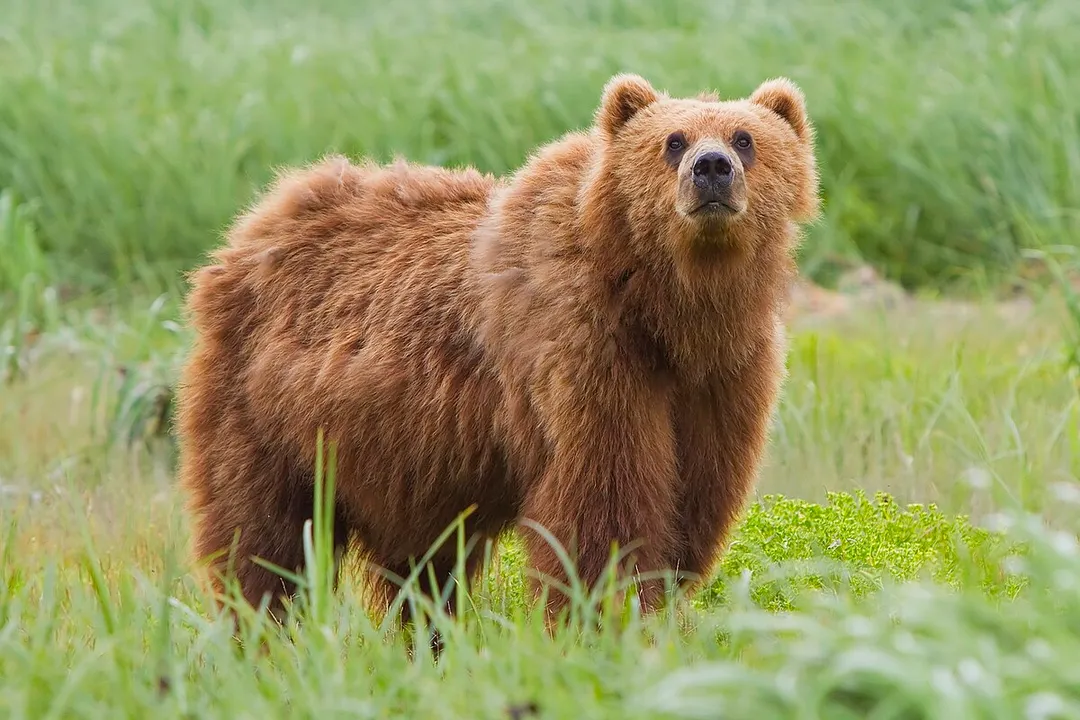
It is a common source of confusion when talking about North America’s largest predators: the names Kodiak bear and grizzly bear are often thrown around as if they describe two entirely separate species, but the reality is far more intertwined, resting on a foundation of geography and classification. [1][4] To put it simply, all Kodiak bears are brown bears, and most grizzlies are also brown bears, but not all brown bears are grizzlies, and the Kodiak is a specific, geographically isolated type of brown bear. [4][6] They share a common ancestor, Ursus arctos, making them cousins in the animal kingdom, but environmental pressures and isolation have refined their differences over millennia. [1][7] Understanding the relationship requires looking past the common names to the science behind them and examining how isolation shaped the giant of the islands versus its mainland kin. [4]
# Scientific Lineage
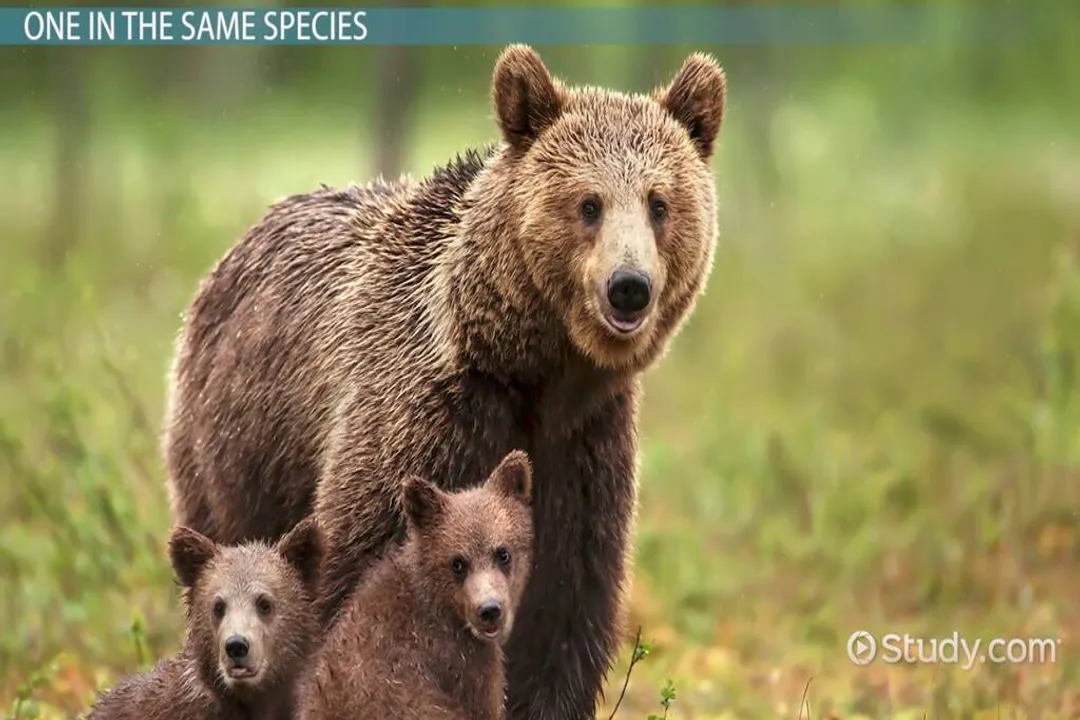
The overarching classification for both is the brown bear, scientifically known as Ursus arctos. [4][6] This single species has spread across vast parts of the Northern Hemisphere, adapting to various environments from dense forests to open tundra. [7] When we talk about grizzlies, we are generally referring to the inland populations of brown bears in North America, often classified as Ursus arctos horribilis. [1][6] The term "grizzly" itself historically referred to the grizzled, silver-tipped appearance of their fur, setting them apart visually from the generally darker coastal brown bears. [1]
The Kodiak bear, however, holds the designation of being its own distinct subspecies: Ursus arctos middendorffi. [4][7] They are endemic to the Kodiak Archipelago in Alaska, a group of islands separated from the mainland by salt water. [4][7] This isolation—being separated by water—is the most significant factor in the distinction between the Kodiak and its mainland relatives. [4] They are essentially brown bears that have evolved in an environment rich in resources, leading to their massive size. [1][4]
# Brown Bear Spectrum
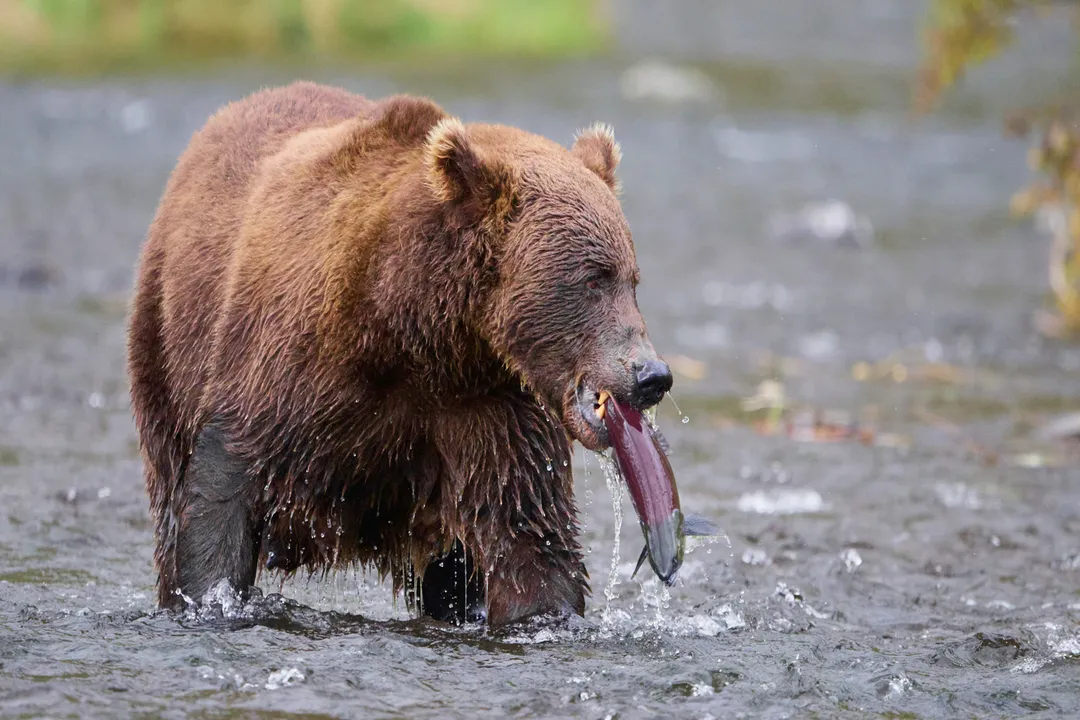
It might be easier to view the situation not as two distinct entities, but as a spectrum within the Ursus arctos species. [6] Coastal brown bears, which include the Kodiak bears, generally have access to large, protein-rich food sources like spawning salmon year-round or during critical feeding seasons. [1][5] This reliable, high-calorie diet allows them to achieve much larger body sizes compared to their inland counterparts, the grizzlies, whose diet relies more heavily on seasonal vegetation, roots, insects, and less predictable hunting success. [1][5] Therefore, while the Kodiak is a brown bear, and the grizzly is a brown bear, the Kodiak represents the apex of size evolution within that group due to its unique nutritional advantages. [4]
# Geographic Distinction
The simplest way to differentiate the two, outside of scientific taxonomy, is by asking where you are standing. [4] If you are in the interior of North America—say, Yellowstone National Park or the Canadian Rockies—any brown bear you see is generally called a grizzly bear. [1][5] Their territory is vast, covering much of interior Alaska, Canada, and parts of the contiguous United States. [1][7]
Conversely, the Kodiak bear’s domain is strictly limited to the Kodiak Archipelago, specifically the islands of Kodiak, Afognak, Shuyak, and adjacent smaller islands in Alaska. [4][7] They are unable to migrate or interbreed with mainland populations due to the surrounding saltwater channels. [4] This geographic lockbox created a closed gene pool, which is a major driver in their evolutionary path toward larger size and maintaining the distinct subspecies classification. [4]
# Size and Appearance
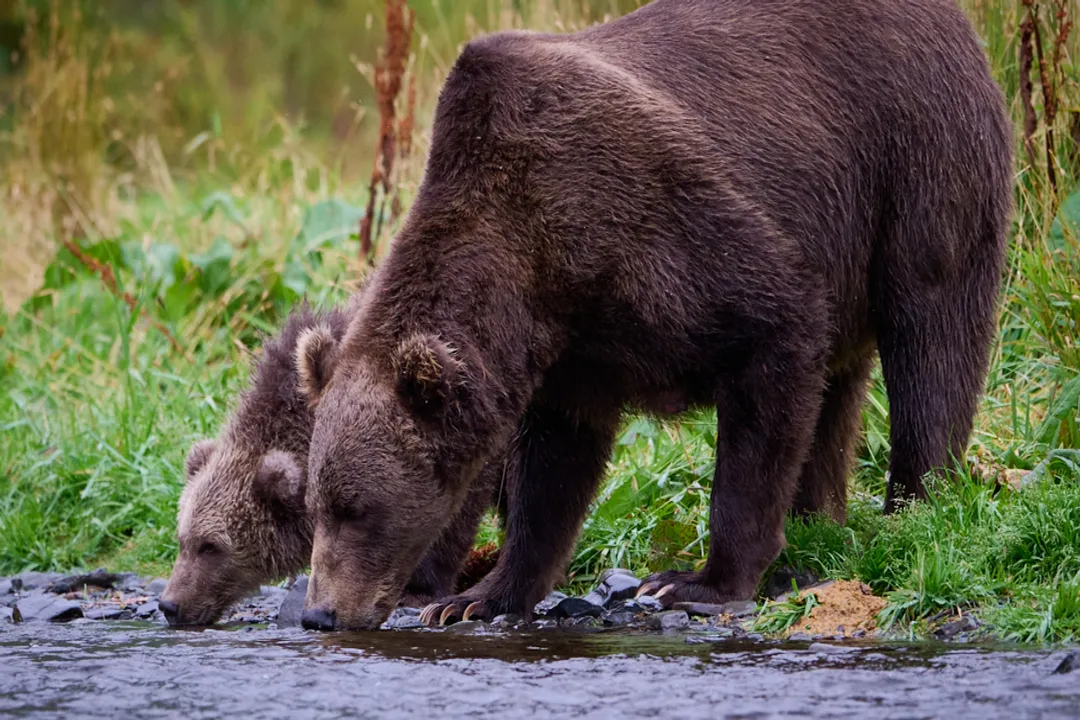
When people think of the largest bears, the Kodiak is almost always the answer, and the data supports this claim. [4] While both are large, the Kodiak generally outpaces the grizzly in sheer mass and bulk. [5]
| Characteristic | Kodiak Bear (U. a. middendorffi) | Grizzly Bear (U. a. horribilis) |
|---|---|---|
| Typical Weight (Male) | 800 to 1,400 lbs or more [1][4] | 400 to 790 lbs [1][5] |
| Shoulder Height | Up to 5 feet when on all fours [4] | Generally smaller than Kodiaks [5] |
| Coloration | Ranges from dark brown to nearly blonde; often lacks the distinct silver-tipped guard hairs of the grizzly [1][4] | Often features lighter, "grizzled" tips on darker fur [1] |
| Claws | Black or dark brown [4] | Lighter color, often pale or amber [4] |
It is interesting to observe that while the Kodiak is reliably the largest, the size range for grizzlies is incredibly broad. [5] A large coastal grizzly that seasonally feeds on salmon might approach the smaller end of the Kodiak spectrum, whereas a very isolated, resource-starved interior grizzly might be significantly smaller than the average. [5] This overlap means relying solely on size to definitively separate a very large inland bear from an average island bear can lead to misidentification in the field, which is why experts often look at the combination of location and subtle morphology. [1][4]
# The Hump and Face Shape
Both grizzlies and Kodiaks possess the distinctive shoulder hump, a massive muscle mass used for powering their forelimbs during digging or striking. [6] This hump is a key differentiator from the smaller, black-furred American black bear, which lacks it. [6] While the hump is present in both, some observers note that the profile of the Kodiak's skull and face might appear slightly broader or more domed than that of the grizzly, though this is a nuance that requires significant experience to judge reliably. [4]
# Behavioral Ecology
Diet is the primary driver of behavioral and physical divergence between these brown bear populations. [1][5] Grizzlies, being inland dwellers, must be highly opportunistic foragers. Their lives revolve around accessing roots, berries, small mammals, and occasionally larger prey like moose calves. [1][5] This requires extensive travel and defense of territories that may not offer consistent, massive food payoffs. [5]
Kodiak bears, benefiting from the incredibly rich marine resources of their islands, experience a more concentrated feeding period. [4] The annual salmon runs provide an unmatched caloric windfall, allowing them to build up the immense fat reserves necessary for hibernation. [4] This reliable, high-density food source is directly correlated with their ability to grow larger and sustain that size. [1] While Kodiaks do eat vegetation and hunt land animals, the salmon forms the backbone of their ecological success. [4] Considering the sheer energy required for a bear of that size to hibernate for half the year, that consistent coastal access isn't just helpful—it's foundational to their gigantism. [4]
# Name Confusion
The confusion stems largely from common language versus scientific language. [6] In North America, the terms break down roughly as follows:
- Brown Bear: The overarching species (Ursus arctos). This term applies to coastal bears, grizzlies, and Kodiaks. [6]
- Grizzly Bear: Usually refers to the inland subspecies (U. a. horribilis). [1][6]
- Kodiak Bear: Refers only to the isolated island subspecies (U. a. middendorffi). [4][7]
When you see a brown bear on the mainland, it is typically called a grizzly. When you see a brown bear on the Kodiak Archipelago, it is called a Kodiak. [4] If you were to transplant a Kodiak bear to the interior of Montana, it might retain its size for a generation or two, but without the necessary salmon runs, its offspring might begin to shrink, demonstrating how much environment dictates physical characteristics within the same species. [5]
# Encountering Differences
From a safety perspective, while all wild brown bears demand significant respect and distance, recognizing the typical habitat can offer a slight contextual clue, though one should never rely on it for safety protocols. [5] A hiker deep in the Rockies should proceed with the caution appropriate for a grizzly bear encounter. [1] Someone viewing bears on the Alaskan Peninsula or Kodiak Island is dealing with the largest brown bears on Earth. [4] In terms of temperament, both are wild animals whose reaction depends on context—whether they feel surprised, are defending cubs, or are protecting a food cache—rather than a fundamental difference in species nature. [5] However, it stands to reason that a bear built to sustain a massive body size might require more caloric input daily, leading to more persistent foraging behavior compared to a leaner, interior grizzly, though actual studies detailing behavioral aggression based solely on subspecies are scarce. [4]
Ultimately, the Kodiak bear and the grizzly bear are deeply related members of the brown bear family. [7] The Kodiak is the geographically isolated, island-dwelling giant sustained by marine resources, earning its own subspecies title. [4] The grizzly is the hardy, adaptable cousin inhabiting the vast North American interior. [1] They are the same species that took different evolutionary paths shaped by the landscape and the menu available to them. [5]
#Videos
What Is The Difference Between Kodiak Bears And Grizzly Bears?
Difference Between Grizzly Bears, Brown Bears, and Kodiak Bears
Related Questions
#Citations
What is the difference Between Kodiak and Grizzly Bear?
Brown bears and Grizzlies being considered the same species?!?!
What Is The Difference Between Kodiak Bears And Grizzly Bears?
Kodiak vs. Grizzly: Same Bear, Different Name?
Can you explain the difference between a grizzly bear and a Kodiak ...
Differences Between Brown, Grizzly & Kodiak Bears - Lesson
Kodiak bear - Wikipedia
The Difference Between Grizzlies, Coastal Brown Bears, and Kodiaks